Expected results:
Ten griffon vultures will be tracked through GPS/GSM and in addition by VHF telemetry for up to two years each, providing invaluable data to identify the foraging area, roosting and breeding sites. This will directly inform a series of conservation actions subsequently in the project.
Movements of the birds will be presented on the project web site and media, and will be used for both raising public awareness and releasing the educational purposes about griffon vultures and birds of prey, their importance and conservation status.
The achieved results so far:
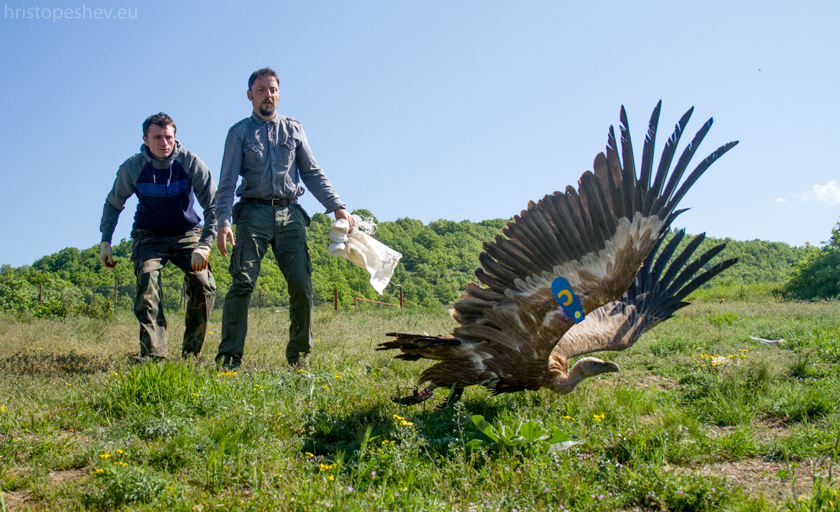
41 Griffon Vultures were released within the project in Kresna Gorge. Six birds were equipped with GPS/GSM transmitters and two with VHF transmitters. 5 GPS/GSM transmitters purchased, 4 recycled . 5 tailmounts have been bought.
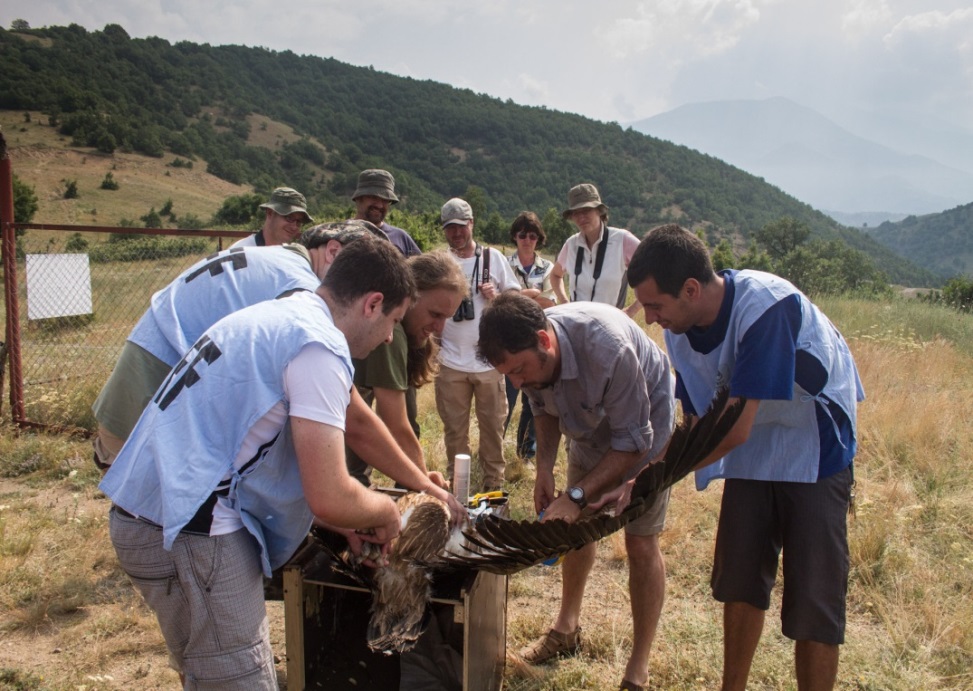
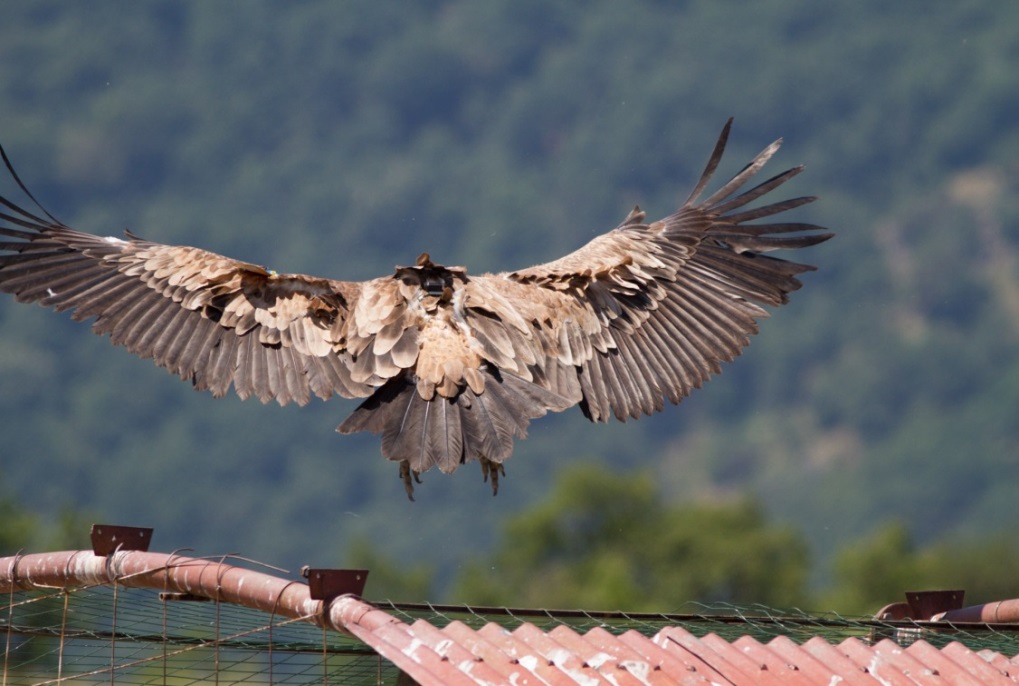
Uploading Vultures movements on Google Earth on the projects’ web site- E1. It provokes higher interest to the LIFE for Kresna Gorge site. Link
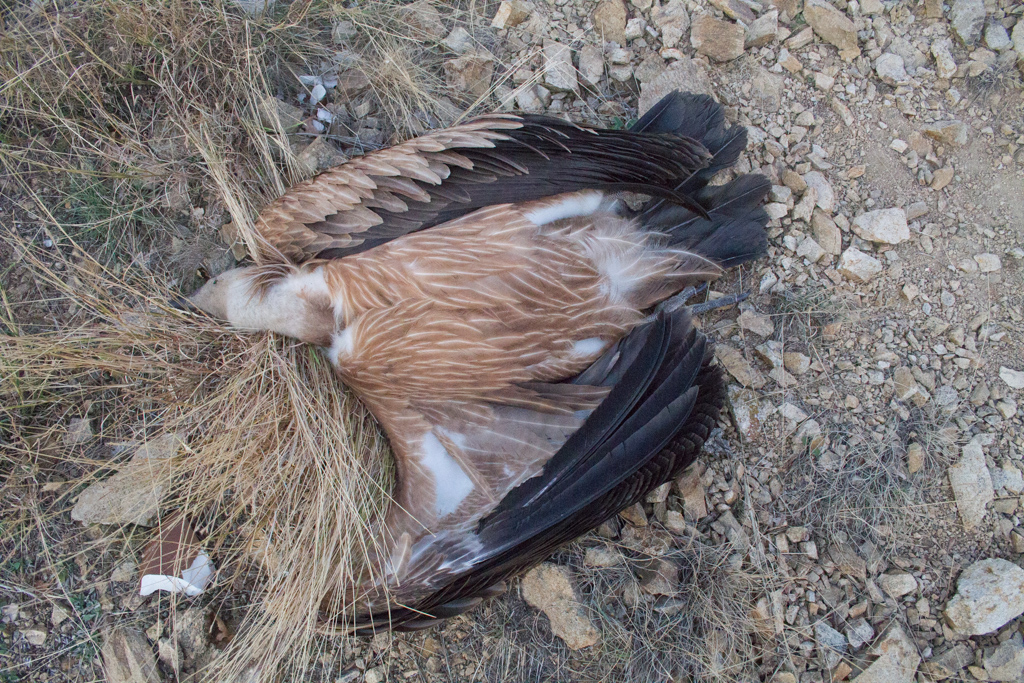
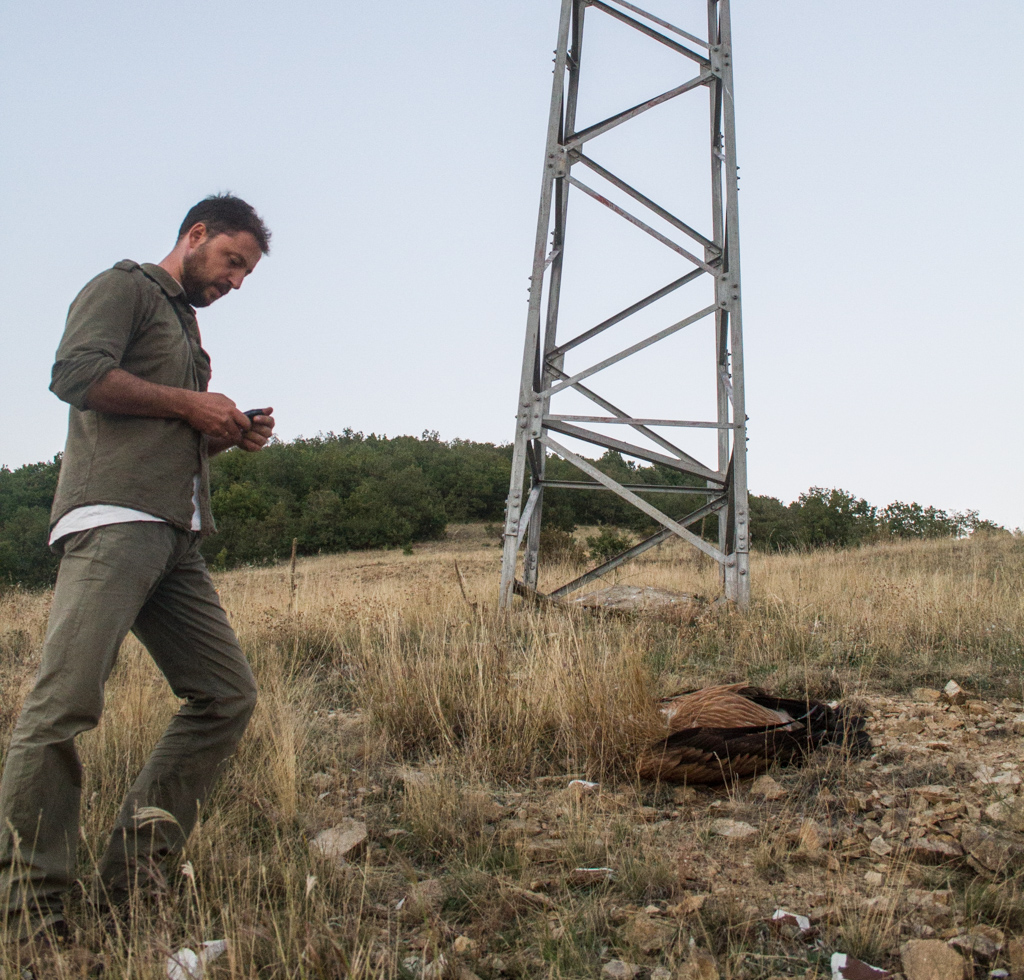
Tracking info showed frequent death cases of vultures from electrocution. It indicated the most dangerous pylons. The following actions under C5 emergently took place. Attracted institutions and the Electric Company. There were created new water places for livestock and birds to drink.
The data concentrated the Compensation Program under C4 in a certain region and villages where the GV mostly roam and search for food e.g. Gorna Breznica (Over 200 Farmers have been compensated)
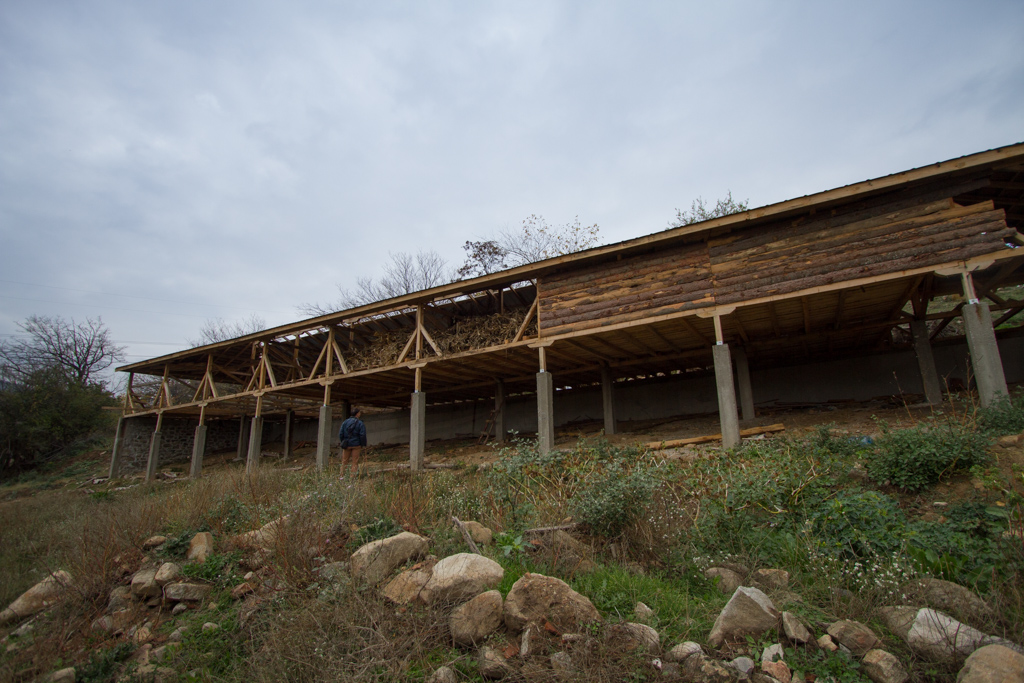
The collected data from transmitters helped us to choose a suitable area to place down the cattle farm under C1. Was chosen the neighbor village of Mechkul as optimal, was purchased land and an old farm, lately renovated.
Expected results:
A herd of 50 livestock units representing Karakachan sheep, Bulgarian Long-hair Goat and Karakacahn Horse, housed in traditionally build barn and guarded by traditional Karakachan dogs, will be established and used to promote traditional and nature friendly practices to the local farmers in Kresna Gorge.
By the end of the project the herd should be self-sustaining with around 80 livestock units, generating sufficient income to meet both shepherd’s salary and herd running costs.
About 200 farmers from the region will be introduced on site to the traditional and nature friendly livestock practices.
About 200 hectares will be optimally grazed and kept in optimal condition to the benefit of threatened species requiring such habitat.
The achieved results so far:
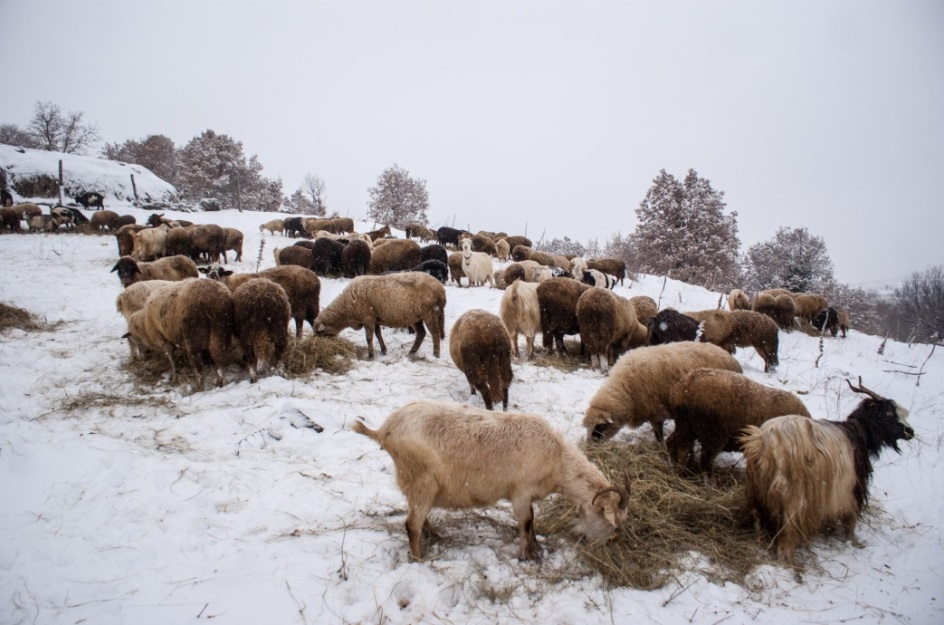
A herd of 102 sheep and 33 goats (about 20 livestock units) was purchased by the project. Now the herd consists 110 sheep and 8 goats (18 units). It plays a main source for the Compensation Program of FWFF C4.
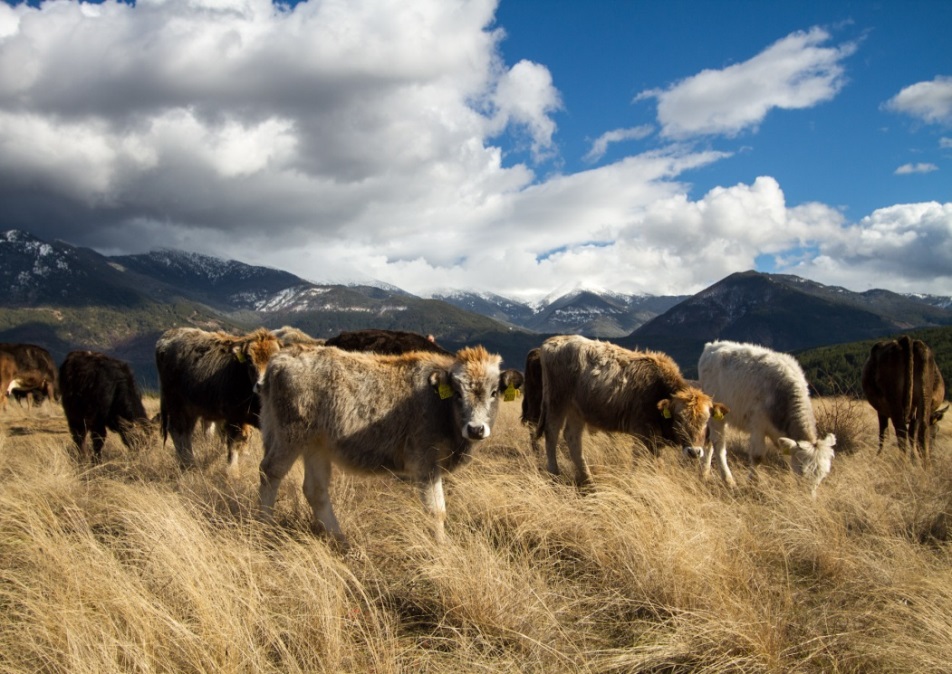
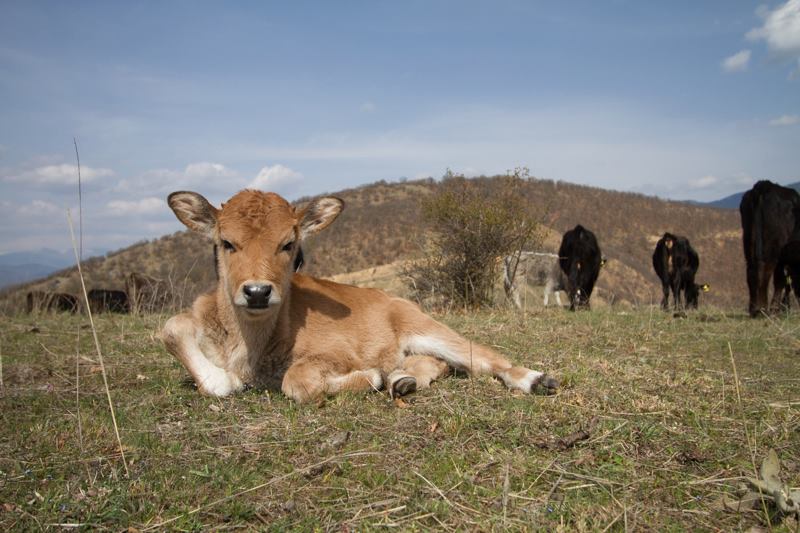
A herd of 30 Short-Horn Rodopean and Bulgarian Grey calves was established (30 livestock units). Now the herd has 39 animals.
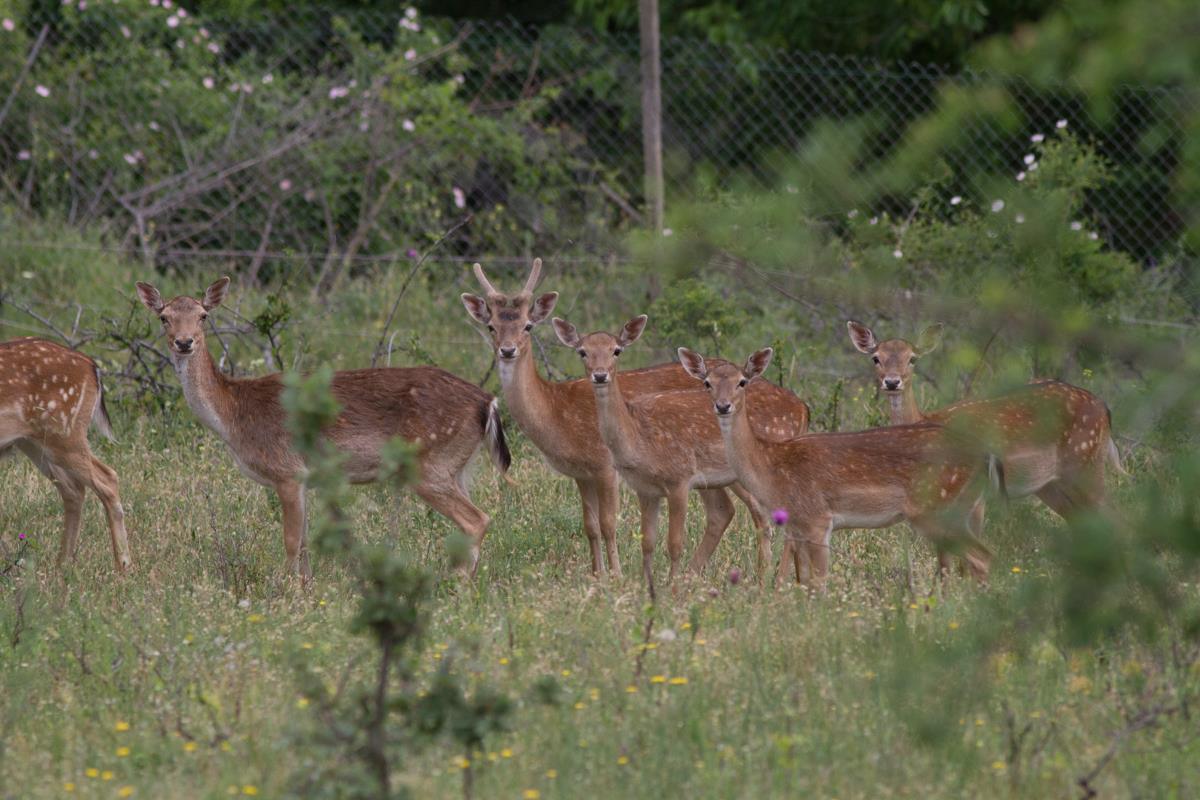
12 Fallow Deers were purchased (2 livestock units). Now there are 11 animals.
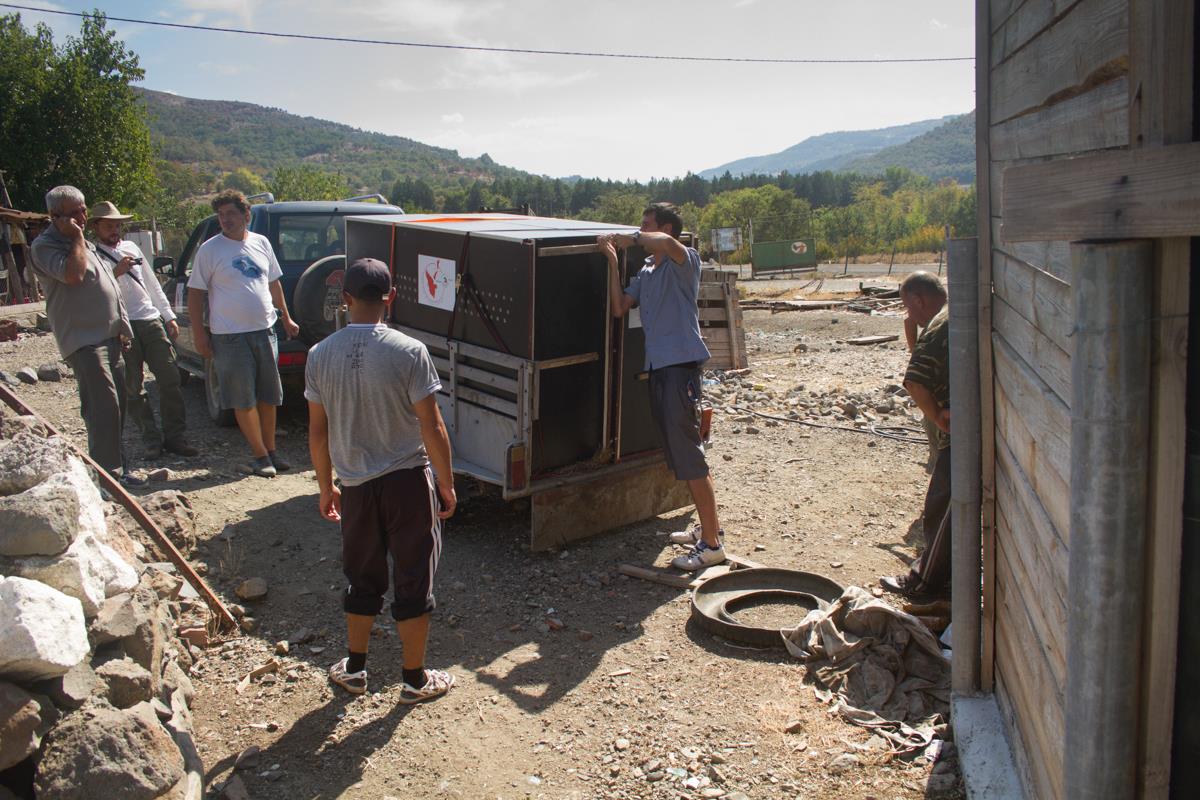
In total 52 livestock units in two farms have been established in the villages of Rakitna and Mechkul. In the middle of 2014 the total livestock units are 59.
26 puppies produced in the farms.
First farm in the village of Rakitna was renovated- seasonal pen and a hut for sheep and goat, where FWFF cooperate two more farmers thus concentrates 63 extra livestock units.
Another farm for cattle was purchased (land and a house) in the village of Mechkul, later rebuilt in cooperation with 4 farmers and 60 cattle in total.
20 ha of pastures were rented for 5 years period.
167 ha are being managed by FWFF livestock in the region of villages Rakitna and Mechkul.
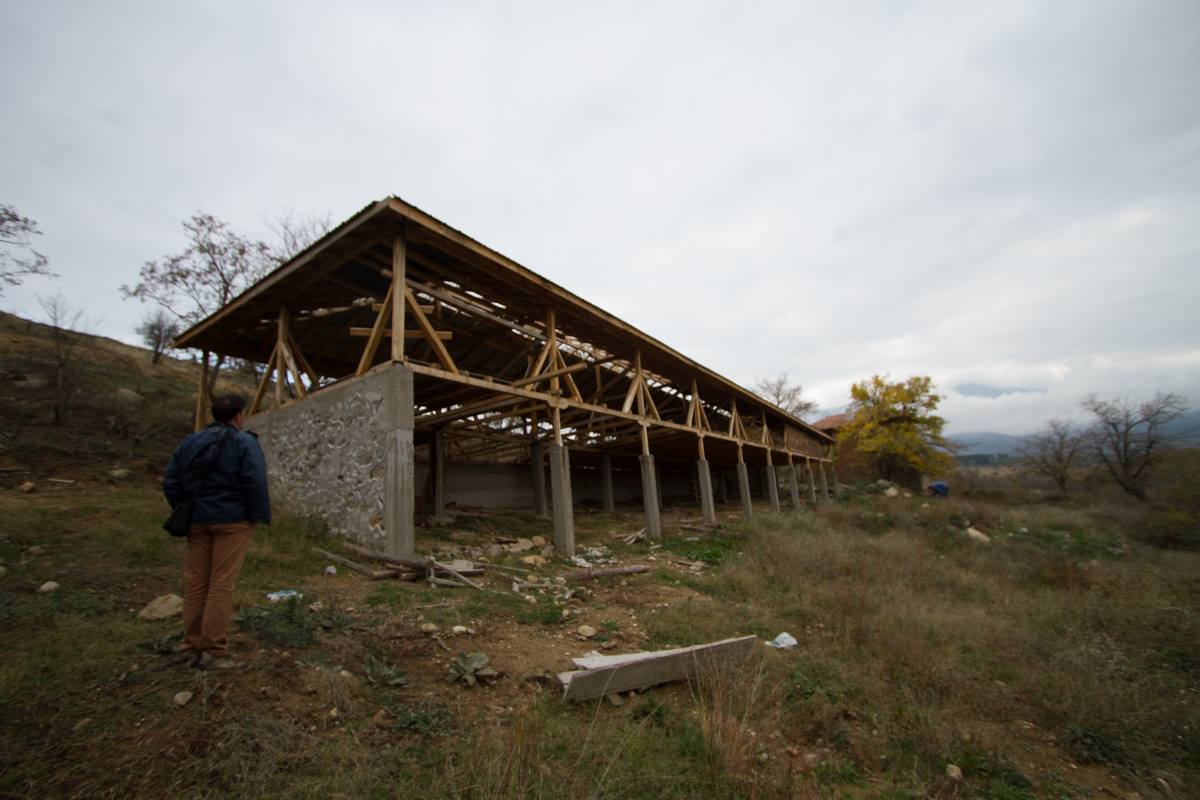
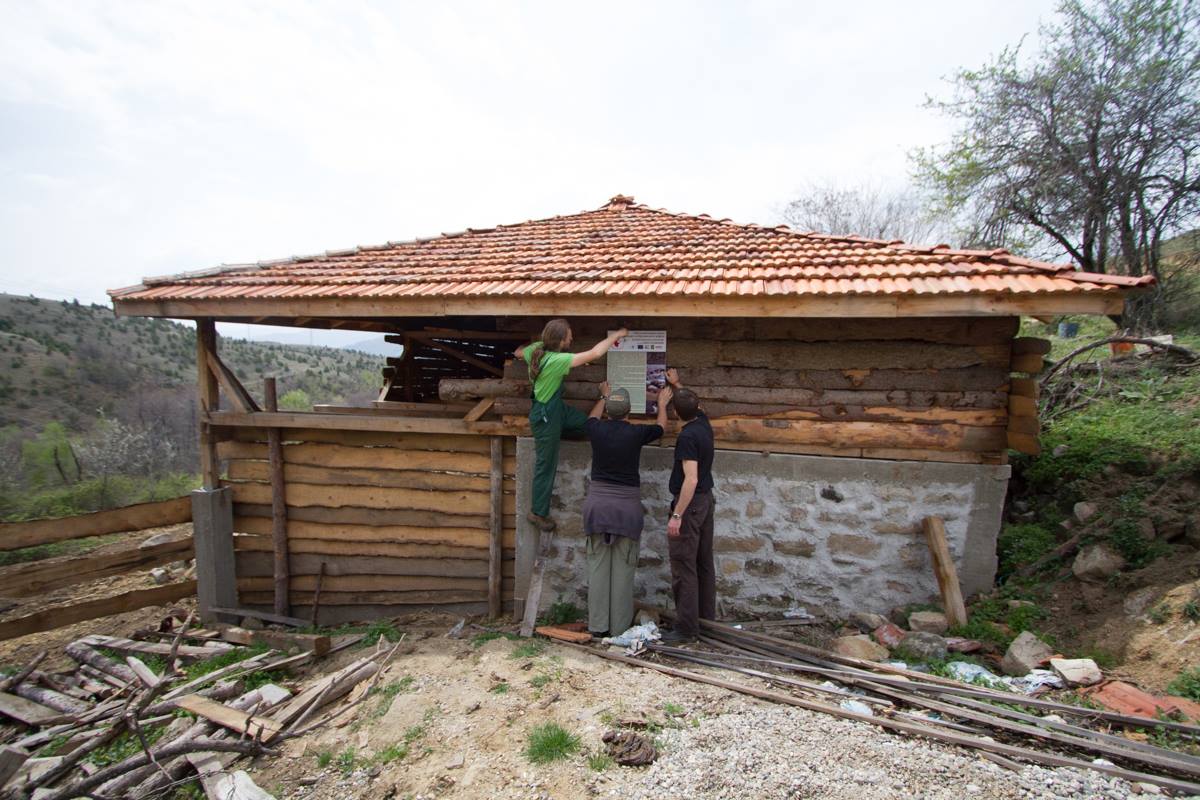
All the cooperation with farmers and the established farms ensures more available food for vultures and biodiversity beneficial grassland management.
Cooperative transhumant movements of sheep/goat/cattle herds in Pirin Mountains in summer. FWFF team has met and talked to about 150 Farmers who have been compensated by the Program C4. Additionally about 80 more farmers, who have called us for dead livestock, were introduced to the project.
Visible improving of pastures, handling erosion of the soil. The project very much appreciates the theory of Allan Savory TED talks about the significance of grassland management vs desertification.
Expected results: Three feeding sites for vultures are established and working in each of the Municipalities in Kresna SPA and Kresna – Ilindentsi pSCI.
Two 4 WD vehicles are purchased and equipped for transportation of the livestock carcasses to the feeding sites.
About 30 Griffon Vultures, 5 Egyptian Vultures, 5 Golden Eagles, 150 Ravens, 50 Jackdaws, 2000 Starlings, and any vagrant Black Vulture, Imperial Eagle, Greater Spotted Eagle, White -tailed Eagle, Black Kite and others use the feeding sites temporarily or frequently. Lanner Falcon, Peregrine Falcon and summering Eleonora Falcons take advantage of concentration of prey insects and birds at the feeding sites.
Achieved results so far: More than 100 Griffon Vultures Gyps fulvus, 3 Egyptian Vulture Neophron percnopterus, 2 Black Vultures Aegypius monachus in 2013 and 2 Black Vultures in 2014, 5 Golden Eagles Aquila chrysaetos, 5 Black kite Milvus migrans, 1 Red kite Milvus milvus (first ever recorded in the area), 2 Imperial Eagles, 300 Starlings Sturnus vulgaris and 200 Ravens Corvus corax .
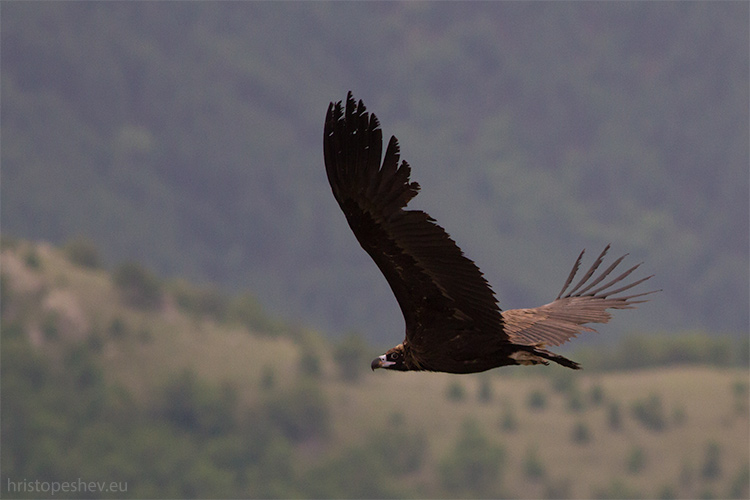
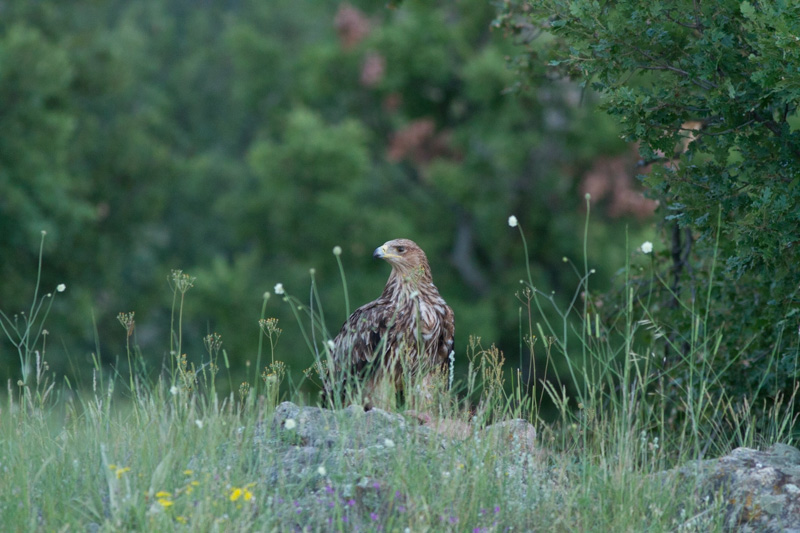
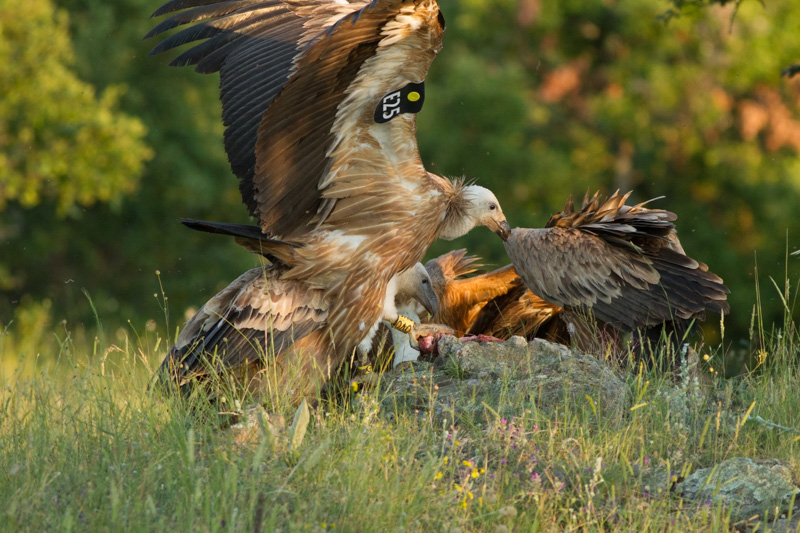
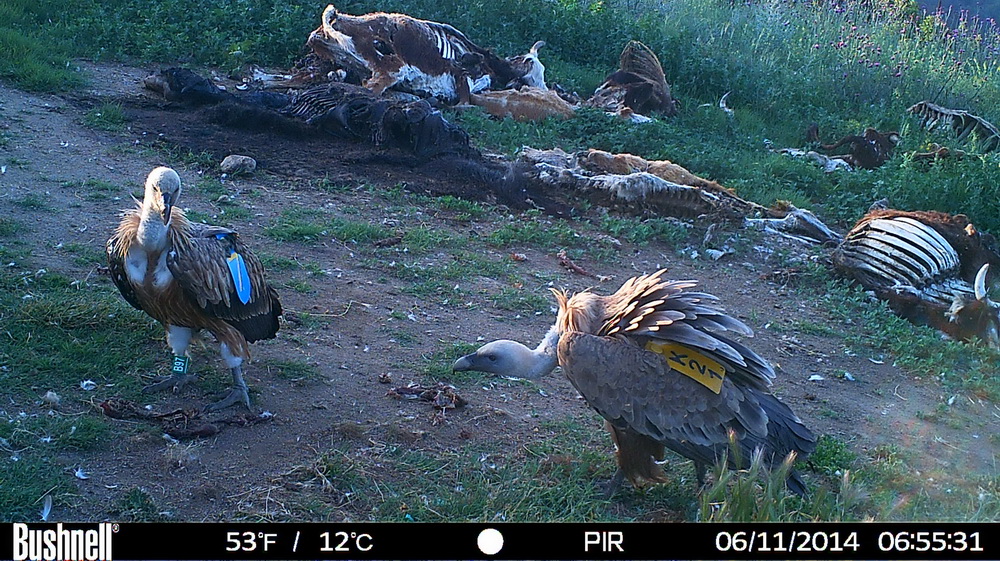
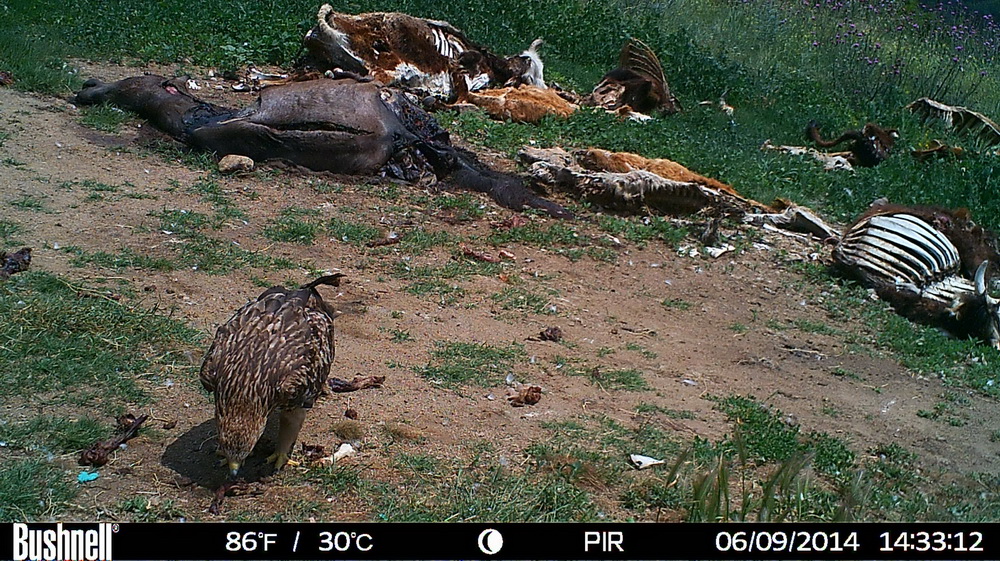
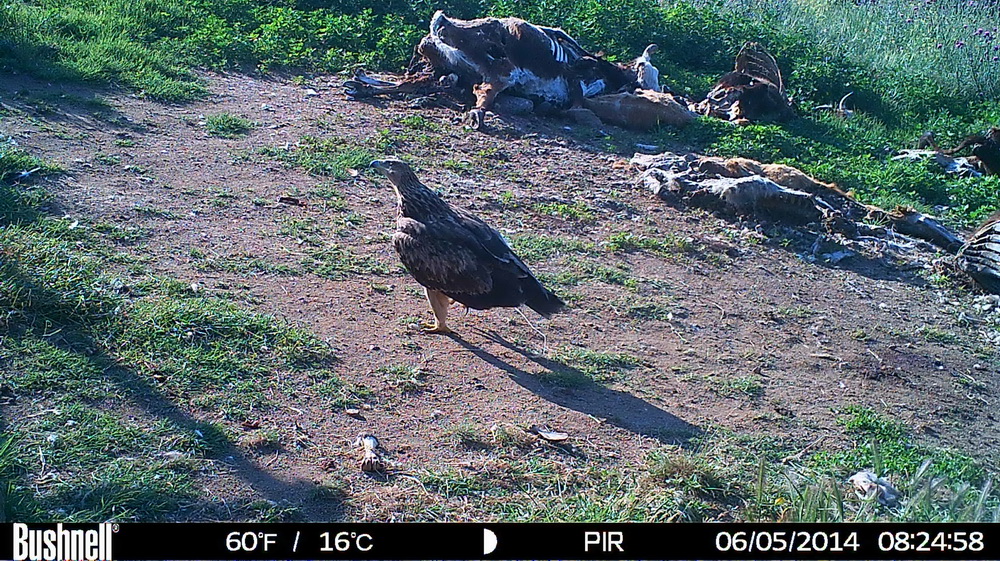
A flock of about 15 Eleonora’s Falcons Falco eleonorae were observed in July 2012 and in 2013 to hunt on insects in the air above the feeding site. Lanner Falcon Falco biarmicus was twice observed to hunt on song birds around the feeding site. Link
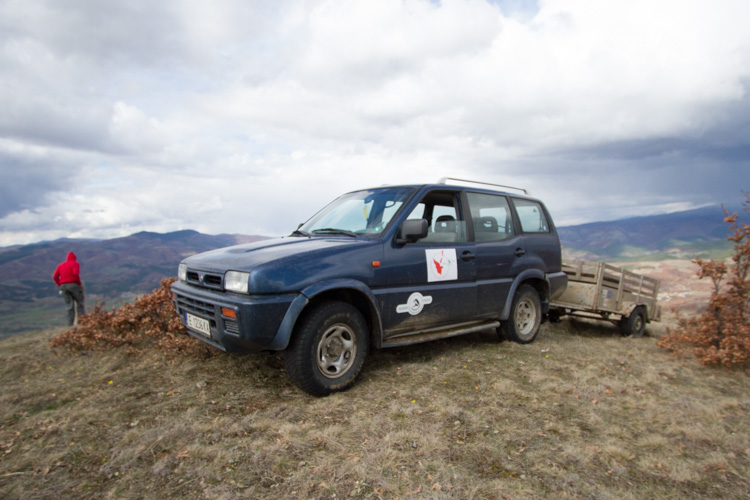
Nissan Terrano II and a trailer were purchased for transporting food for vultures.
A new feeding station was done with received registration in the National Veterinary Service.
Expected results: 100 Guarding dogs delivered to shepherds in need
50 trained dogs in the FWFF farms and later provided to shepherds
About 20 dogs are introduced in herds and provided with food for up to two years.
The man/predators conflict reduced with about 80 % in herds where guarding dogs are introduced.
Tolerance to predators increased in shepherds and related communities.
No stray dogs are released by the shepherds involved in the project.
Achieved results so far:
Seven guarding dogs were obtained from the owner of the herd which FWFF has purchased for the project. 26 puppies produced and donated to farmers as compensation.
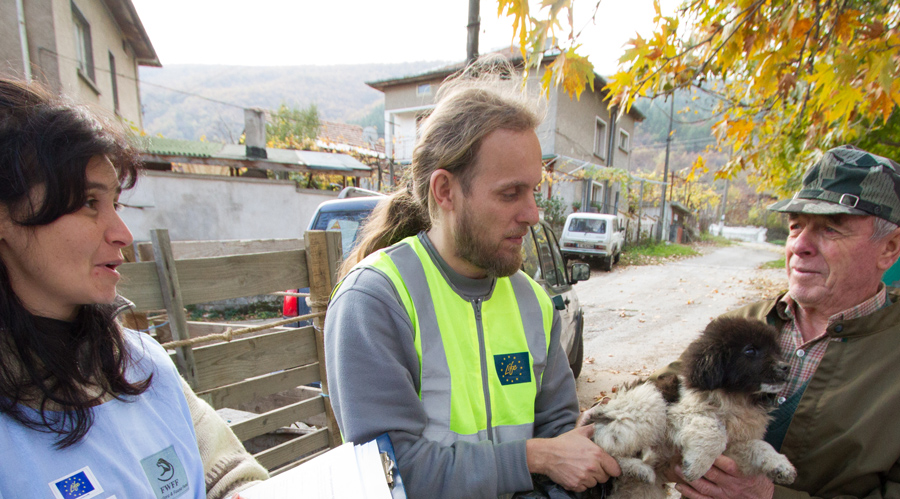
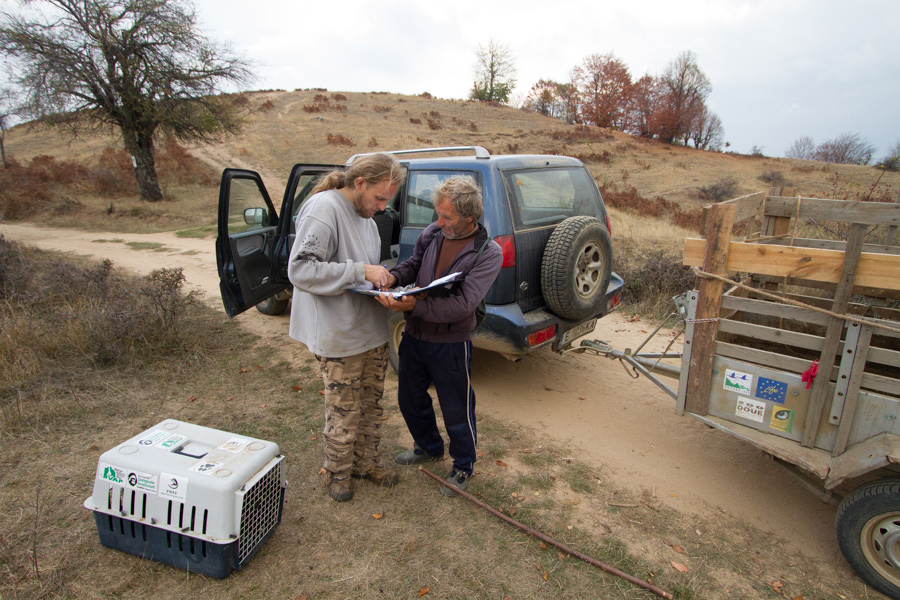
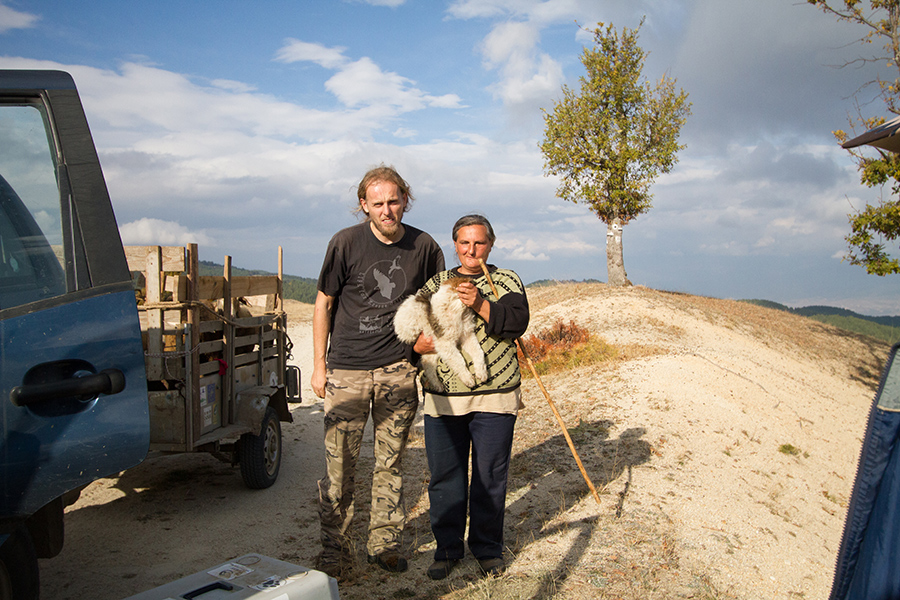
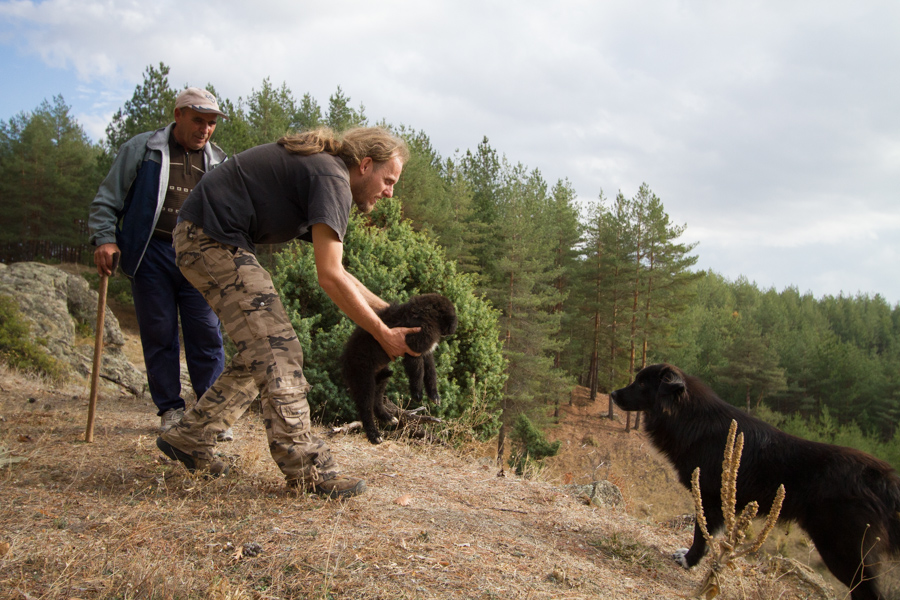
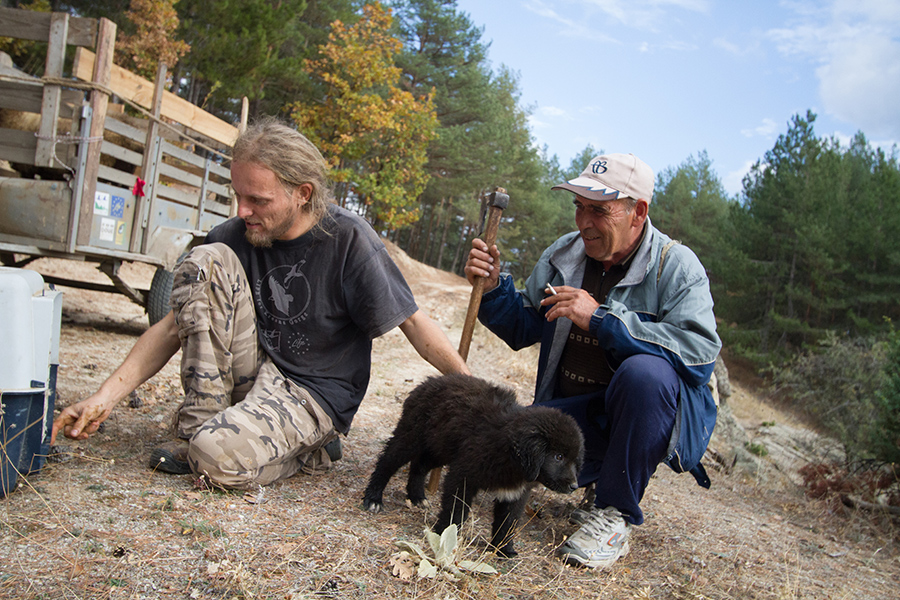
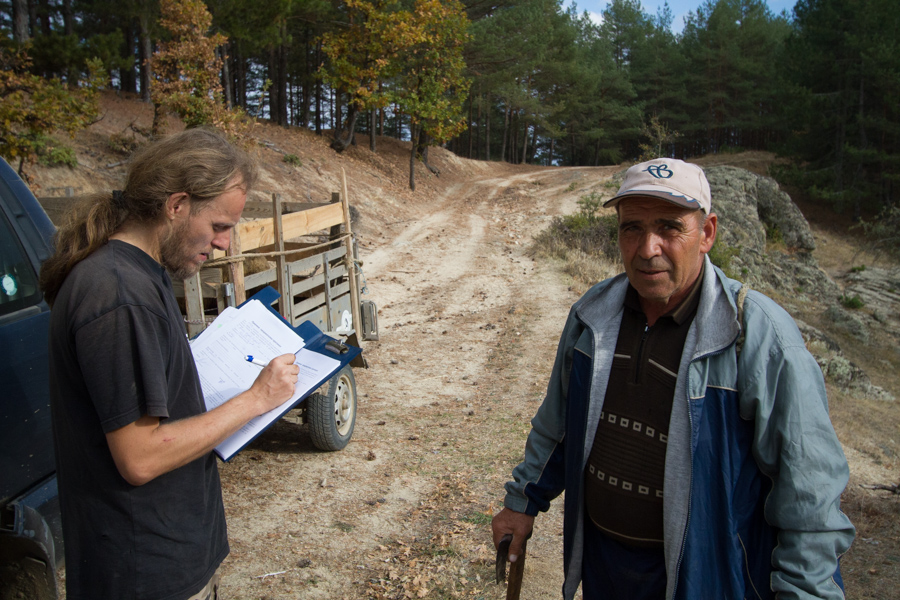
Unfortunately the scientific analysis have done by FWFF team, using the collected data and protocols of depredation in SW Bulgaria for the last 9 years, shows that having Guarding dogs doesn’t ultimately stop from predators’ attacks. The article with a title HOW TO AVOID DEPREDATION ON LIVESTOCK BY WOLF – THEORIES AND TESTS Emilian STOYNOV¹, Atanas GROZDANOV², Stamen STANCHEV¹, Hristo PESHEV¹, Nadia VANGELOVA¹, Danielo PESHEV² is being in press by the Bulgarian Journal of Agricultural Science. Very soon it will be published on FWFF web page.
Еxpected results:
An estimated 100 cases of livestock deaths by wild predators to be investigated, and as a result, up to 100 farmers will be compensated for loss of livestock with provision of up to 100 sheep, goats and when necessary guarding dogs to assist with herd protection.
An estimated 100 farmers in Kresna SPA and Kresna – Ilindentsi pSCI will be aware of the risk of accidental poisoning of endangered raptors, and are more sensitive to nature conservation considerations when they manage their herds to avoid wild predators’ attacks.
An estimated 500 farmers will take the necessary measures to prevent depredation of their livestock, and therefore human/ predator conflict within project target area will be reduced with some 60 %. This will lead to a directly equivalent reduction and prevention in illegal poison bait use that risks accidental poisoning of endangered species.
Achieved results so far:
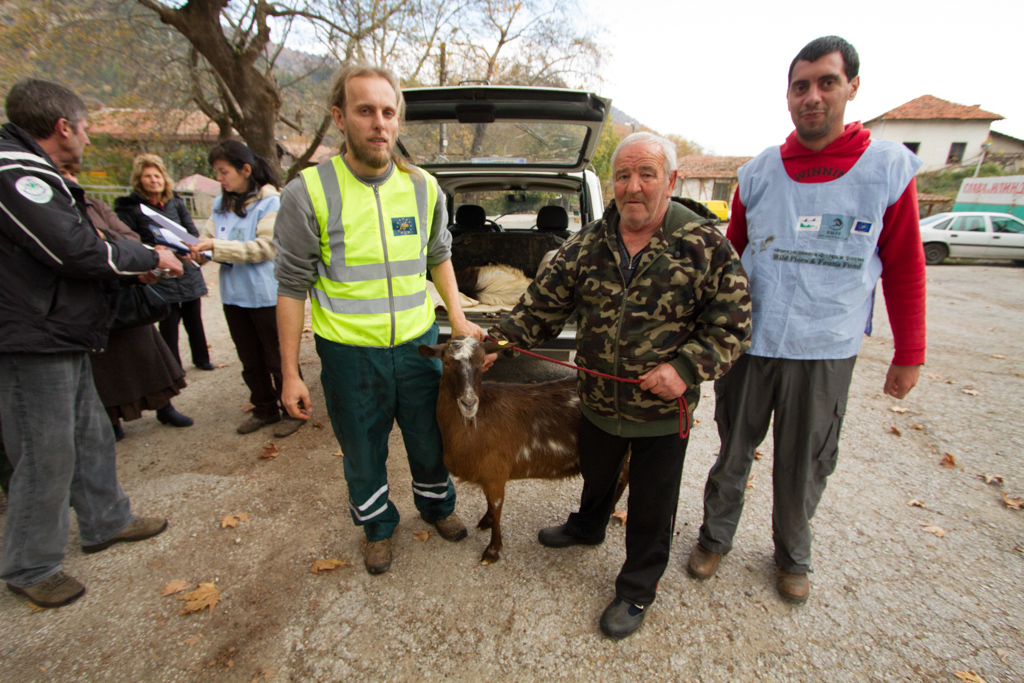
FWFF have compensated 53 farmers for 2013. Over a month lasting campaign of the Compensation Program, FWFF team successfully has recognized 7 target villages and has donated to farmers 26 sheep, 35 goats and 26 guarding dogs.
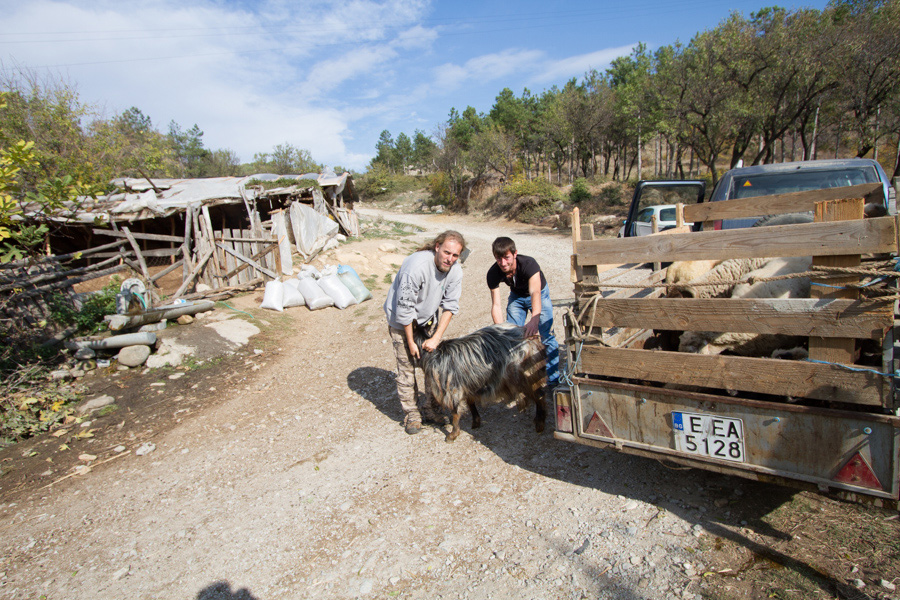
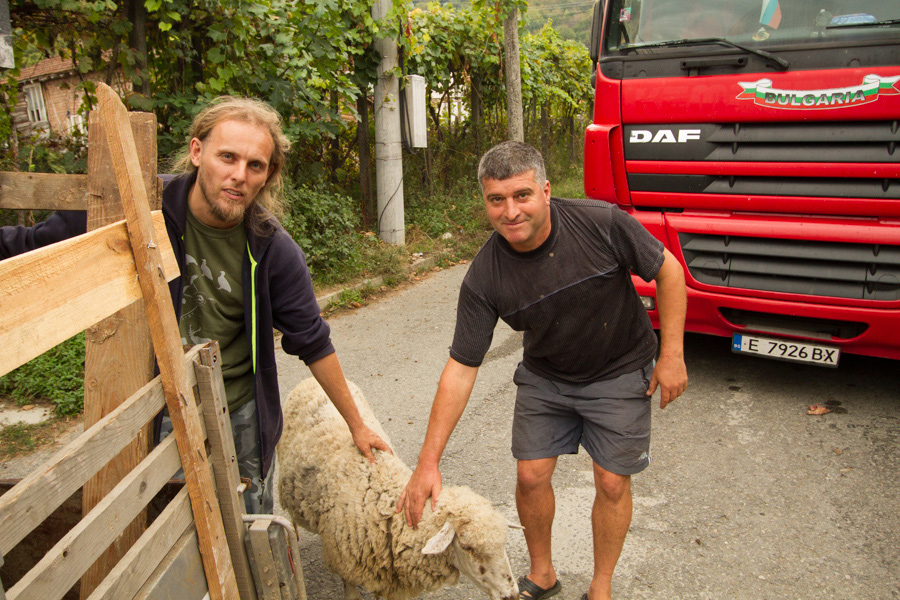
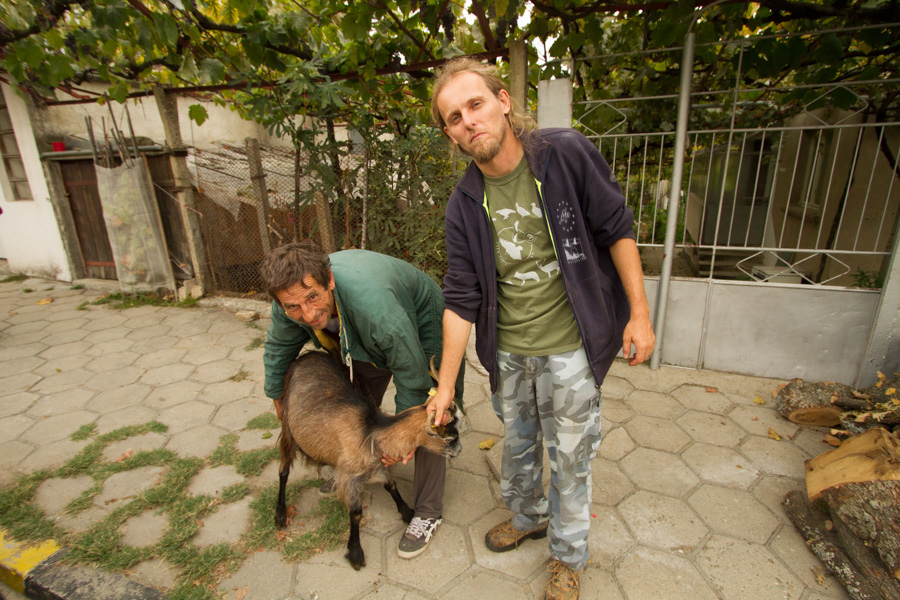
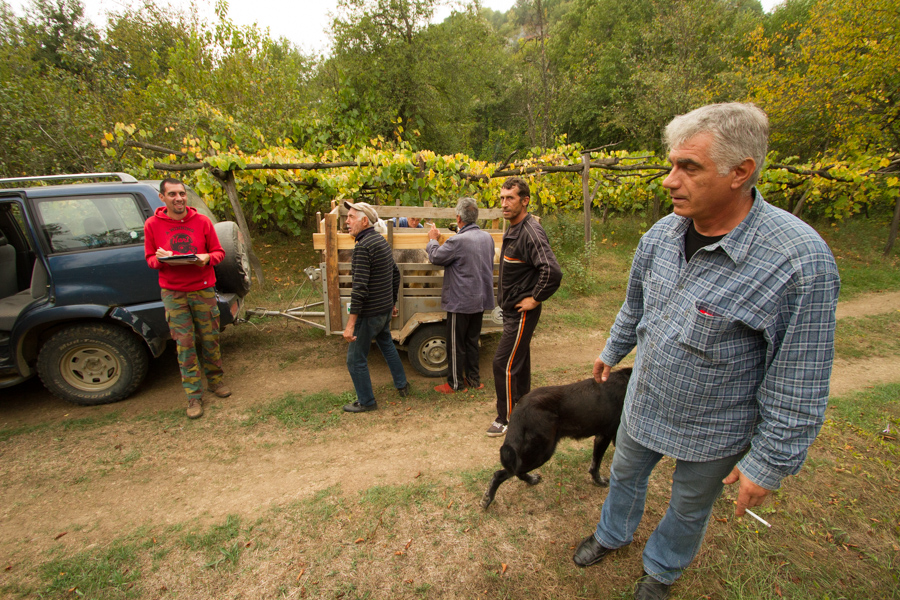
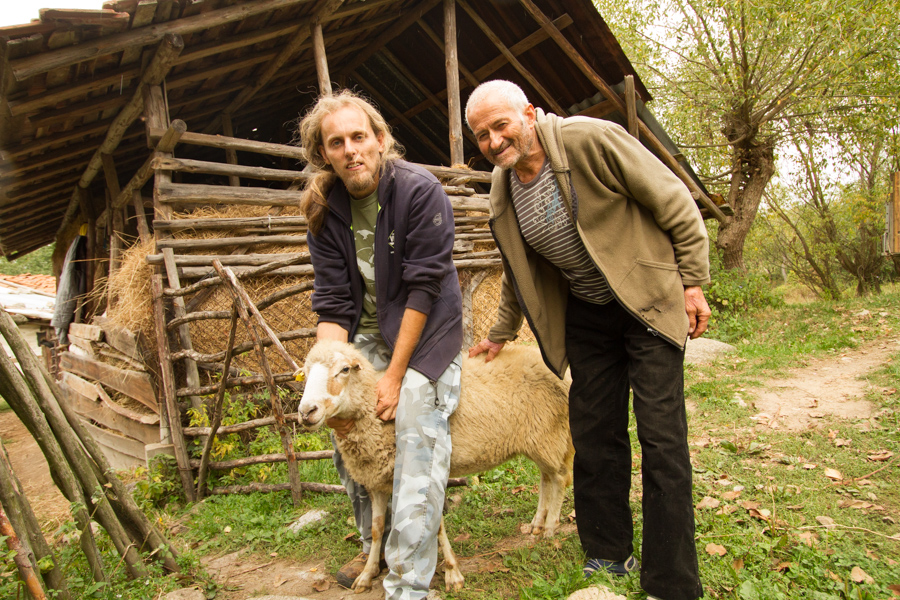
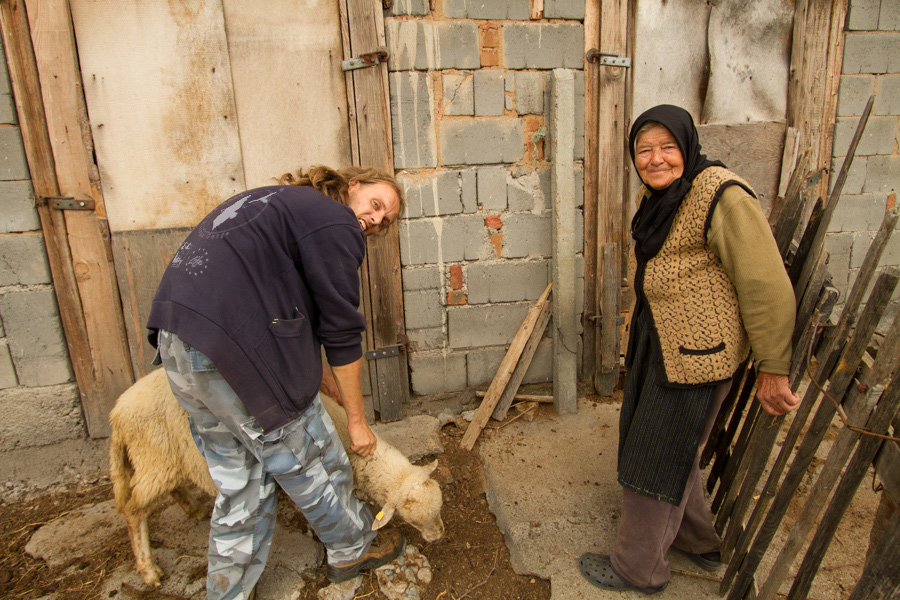
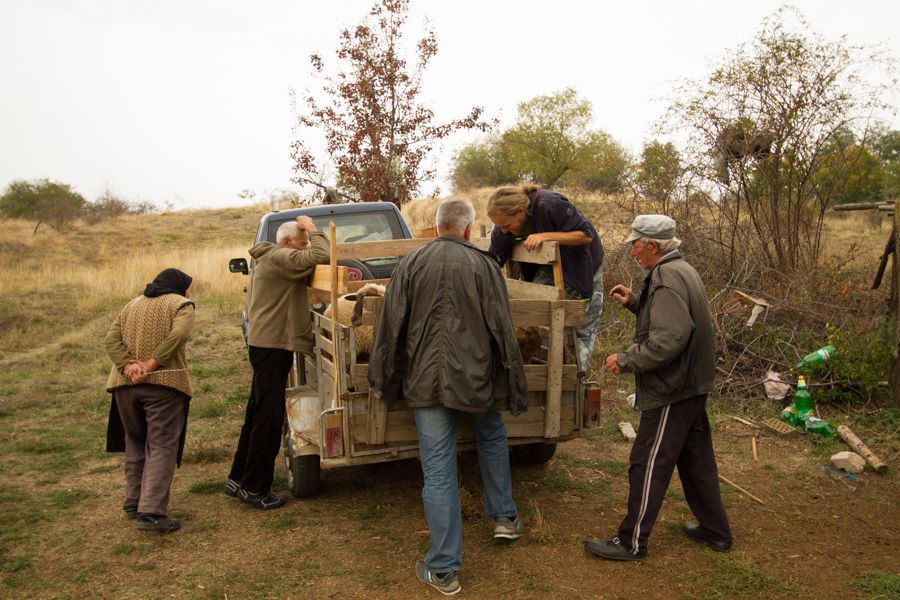
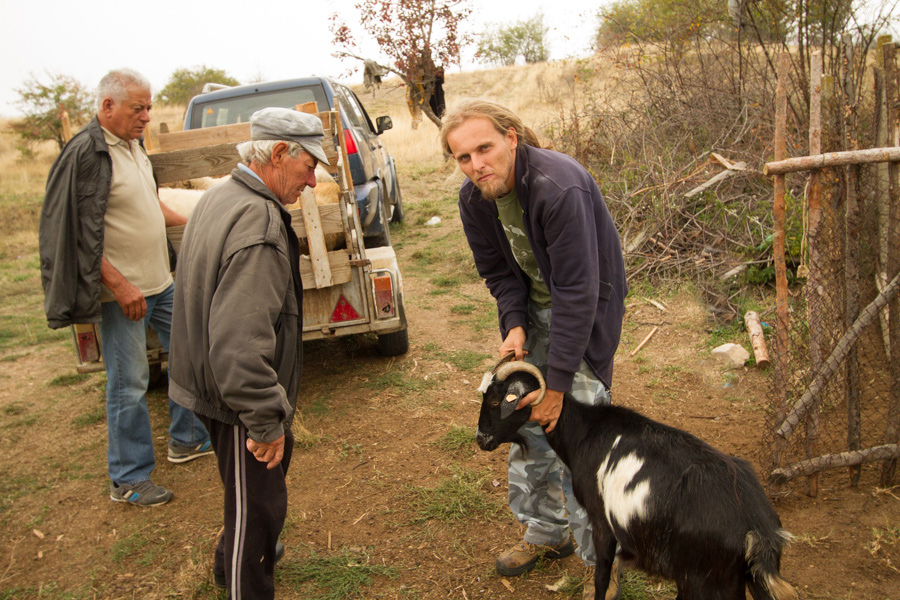
The total number of beneficiary farmers from the 2013. 218 farmers were supported by the Program, they are now much more aware of the project and our mission.
The trust we have created between them and FWFF team makes us much more influential in changing the attitudes. Farmers frequently call for vultures’ observation and when there is available carcass to transport on vultures’ restaurant.
The article with a title HOW TO AVOID DEPREDATION ON LIVESTOCK BY WOLF – THEORIES AND TESTS Emilian STOYNOV¹, Atanas GROZDANOV², Stamen STANCHEV¹, Hristo PESHEV¹, Nadia VANGELOVA¹, Danielo PESHEV² is being in press by the Bulgarian Journal of Agricultural Science. Very soon it will be published on FWFF web page.
The article is a work based on 9 years data and over 300 protocols.
As the article has shown, the shifting to rear of bigger livestock is the major successful way to some farmers, who breed sheep and goat in mountain terrain with very high wolf population number. FWFF team has influenced 2 major sheep breeders (over 200 animals) to shift to cattle and thus stop their loss from predators’ attacks. They seem to be successful demonstration for other farmers.
The Compensation Program of FWFF attracts media attention. The project was acknowledged in the January issue of the LIFE Newsletter.
Link
Expected results:
5 artificial nest caves digged for Egyptian vultures and falcons
3 cliff ledges and/or caves improved for Griffon Vultures nests
200 nest boxes for Stock Dove and Jackdaws prepared and placed to help their reproduction and concentration
A Dove cote is built at the roof of the FWFF farm
Achieved results so far:
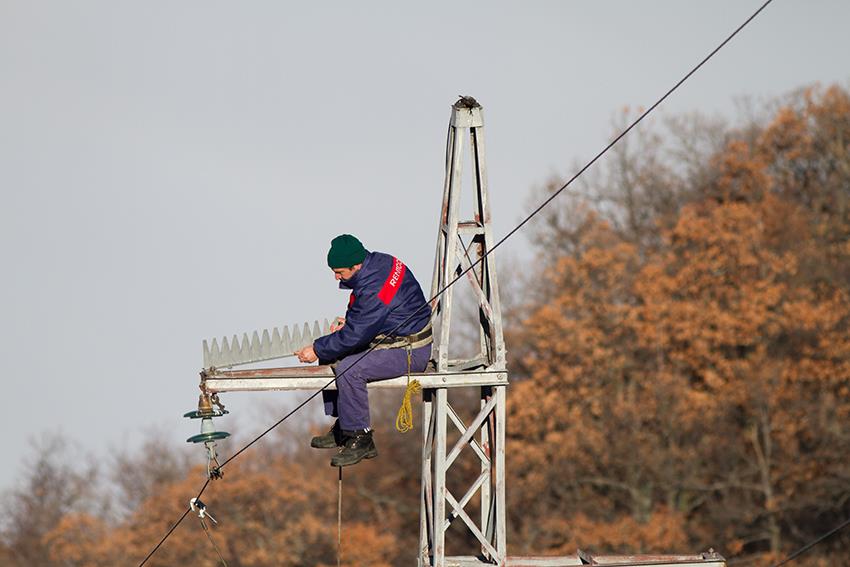
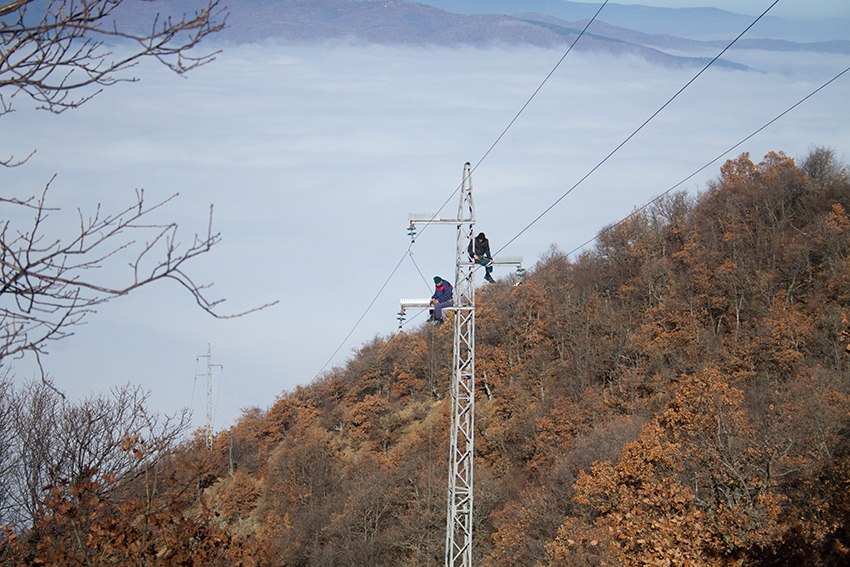
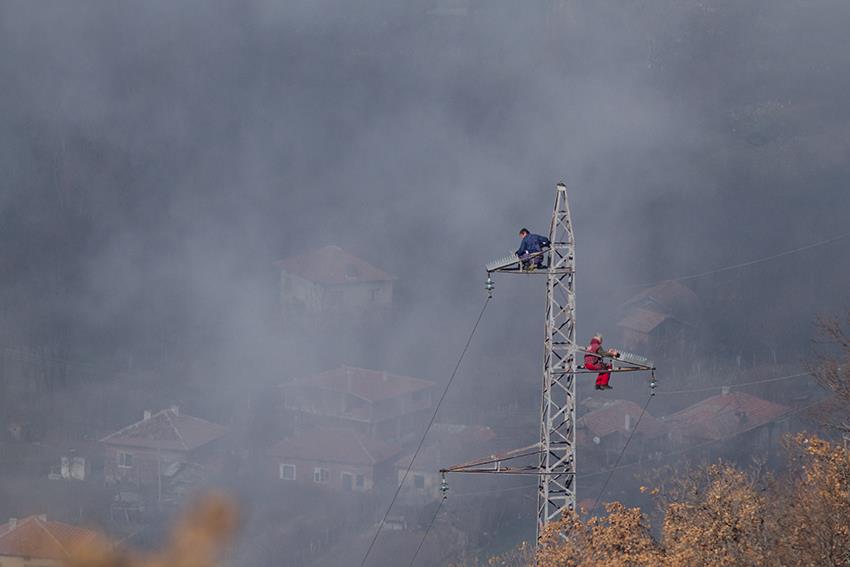
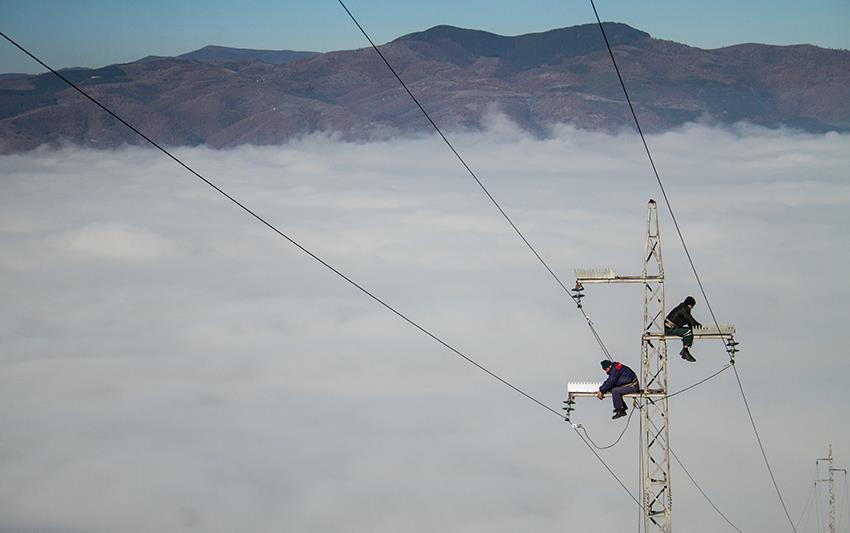
The info of GPS/GSM tracking of Griffon Vultures showed frequent death cases of vultures from electrocution. It indicated the most dangerous pylons. The following actions under C5 emergently took place. There were attracted institutions and the Electric Company. So unplanned eight powerline poles were equipped with 48 perch discouragers of which the two poles proven to be vulture-killers.The effect was immediate as no other birds were found dead after the installment. The service was paid to a company by the project and the Electric Company has contributed by stopping the electricity for few days.
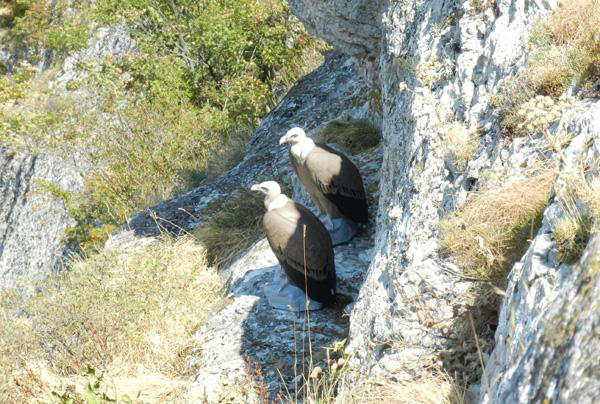
Five 3D models of GV were made to be put in the caves planned for digging. The models are good method to respect other bird species as Golden Eagle and Raven, which usually attack vultures and discourage them to nest.
Expected results: Created a breeding facility for 5 pairs of Egyptian Vultures and 5 pairs of Black Vultures to serve as captive breeding stock for release of their young in Kresna SPA.
Five pairs of Egyptian Vultures and five pairs of Eurasian Black Vultures are bonded and set in suitable conditions for reproduction in captivity.
First chick of Egyptian Vulture and first chick of Black Vulture are successfully raised and if circumstances are suitable first releases of these species take place by hacking.
Achieved results so far:
A captive breeding center of 9 aviaries and a room for the fridge were established the 2.4 ha fenced area for the tortoises and Fallow deers. Wildlife Center Rakitna already operates in a complex of vultures’ aviaries, tortoises’ center and free range deers.
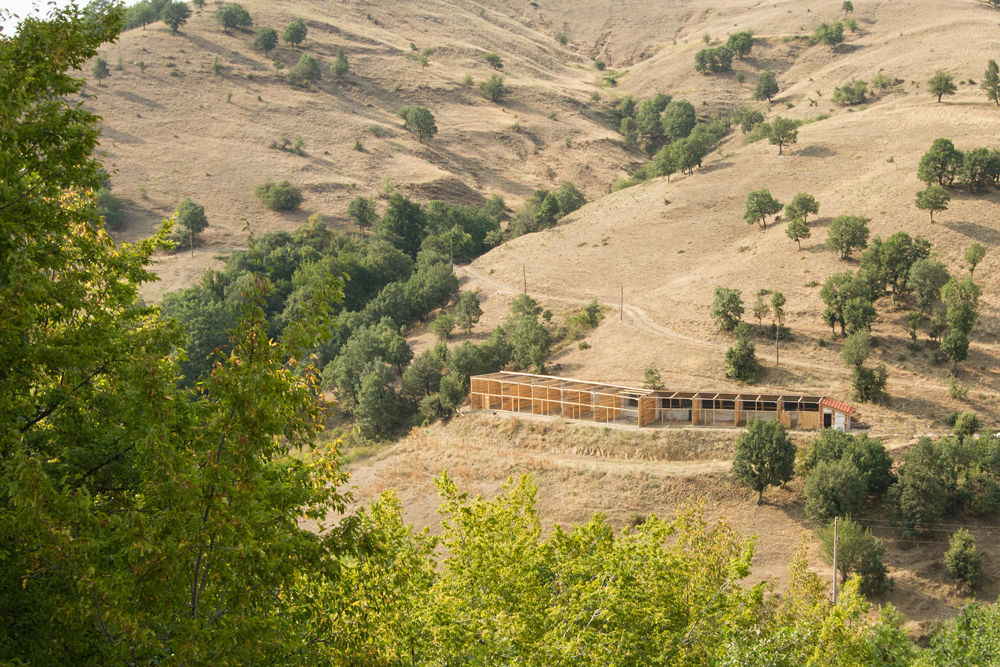
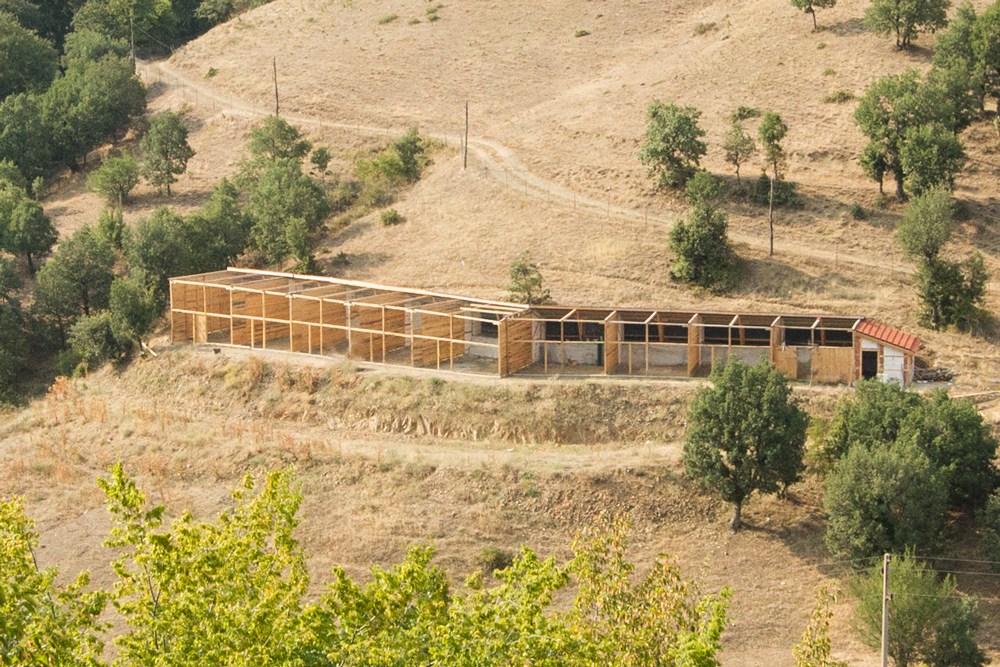
Unfortunately the negative conservation status of Egyptian Vulture on world scale and in Bulgaria respectively makes almost impossible the obtaining of birds for captive breeding. It is a similar reason for difficult finding of Black Vultures for the Wildlife Center Rakitna. The reintroduction projects of Black Vulture in France and Spain still need birds to release, meanwhile the competition for non-releasable birds for breeding in European Zoos is quite big.
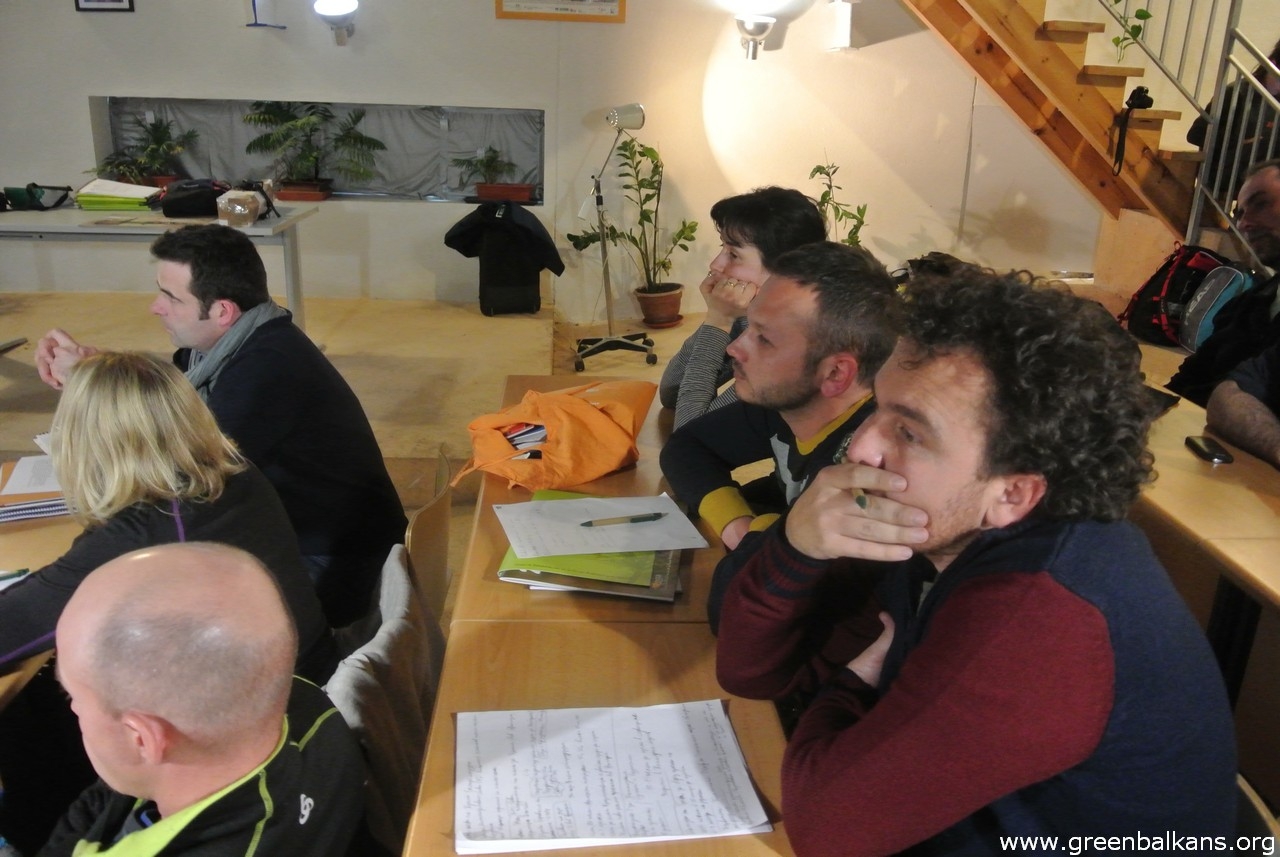
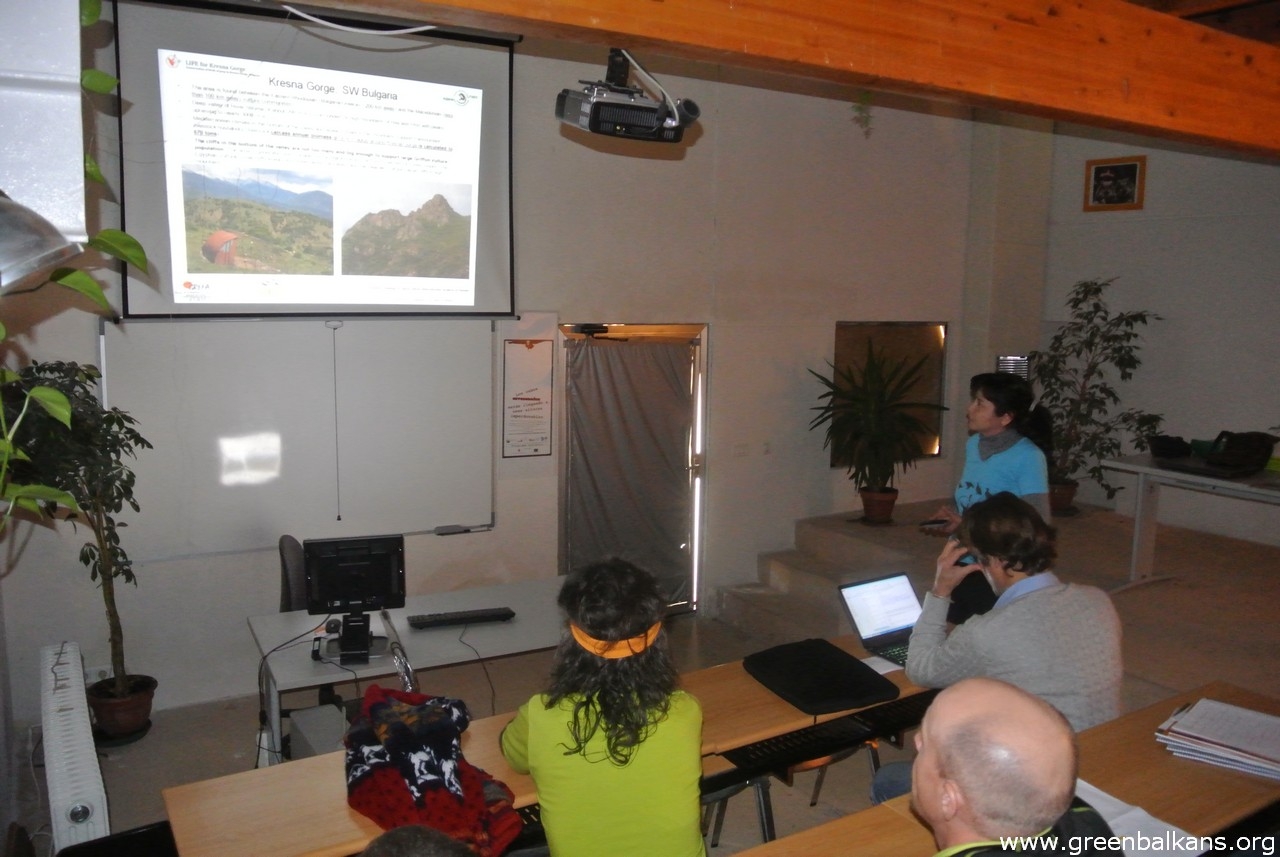
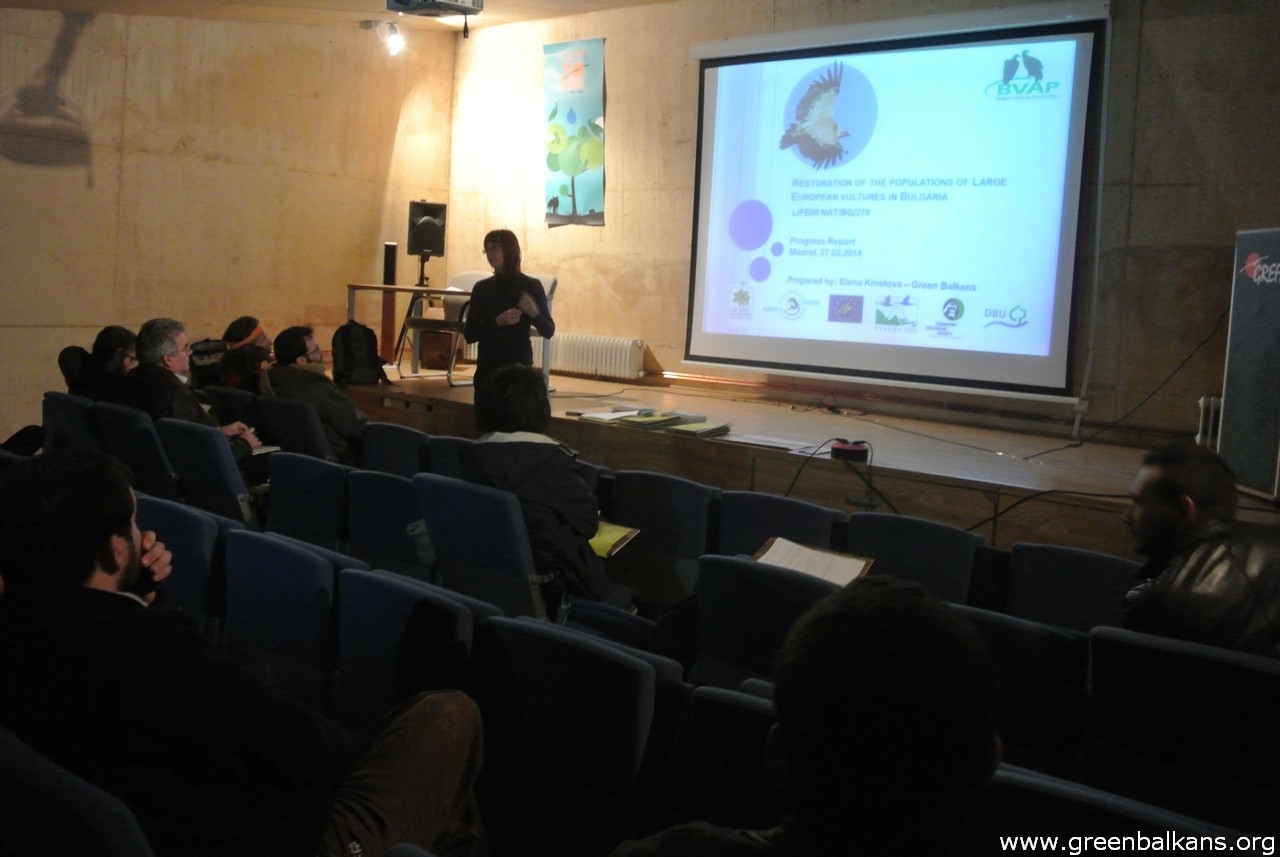
Green Balkans and FWFF took part in a common meeting of European projects working on Black Vultures in Europe.
The meeting was organized by GREFA (Spain) and the Vulture Conservation Foundation (VCF), in the premises of GREFA near Madrid, on February 27th 2014. It was attended by representatives of LPO and Association Vautours en Baronnies (France), as well as the local authorities – Junta de Extremadura, Junta de Andalucia and MAGRAMA. As Spain is the only source of Black Vultures for reintroduction projects and breeding in captivity, the participants have closed the meeting with a joint declaration of a set time schedule for birds’ distribution among the countries and projects. It says that Black Vultures will be send to Bulgarian projects not before 2017.
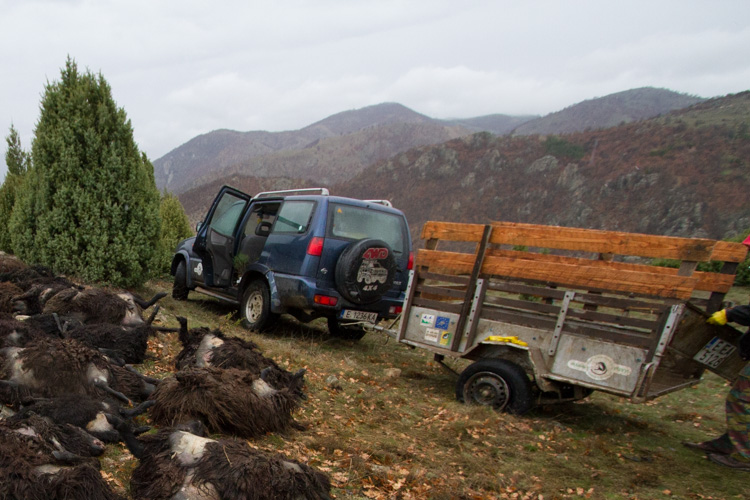
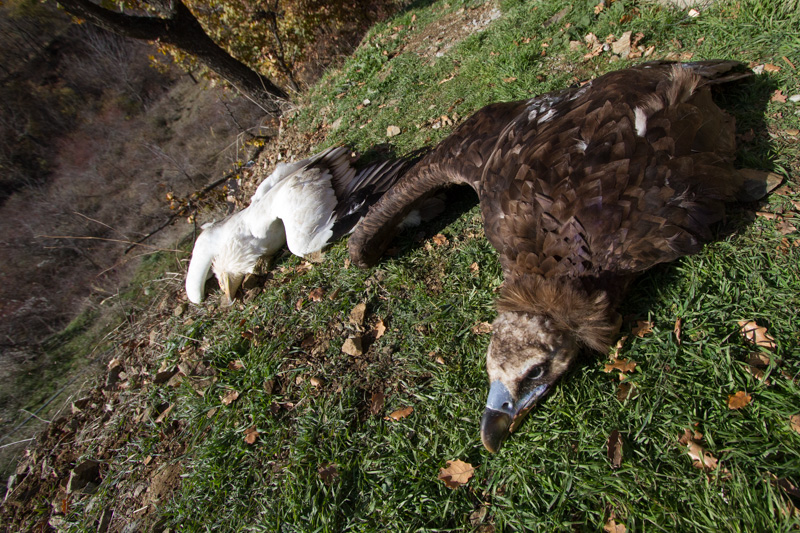
Another accident in the aviary has discouraged FWFF team to breed Egyptian and Black Vultures. The only single birds of BV and EV available in the FWFF aviaries have been poisoned by accident while being fed with a poisoned goat.
Those obstacles led to impossible breeding of Black and Egyptian Vultures for the next few years in the Wildlife Center Rakitna. FWFF team has received an unwritten agreement to continue with captive breeding of Griffon Vultures in the aviary.
There are four Griffon Vultures in the Wildlife Center Rakitna. There are five more waiting for very soon transportation from Rabat Zoo in Morocco.
Expected results: A Tortoise Facility for rehabilitation, and captive breeding of land tortoises will be established and start operating.
Through treatment and release of rehabilitated and captive bred tortoises and showing all these efforts to the public it is believed that the conservation status of this long -living species will be improved in the area.
Between 20 and 50 tortoises will be rehabilitated yearly. After the second year of the project it is expected that about 20 to 50 tortoises to be captive bred and released into the wild in areas where natural populations need restocking.
Achieved results so far:
An area of about 2.5 hectares was fenced to serve as a tortoise sanctuary, but also to keep Fallow Deers and the 9 vultures’ aviaries, all under the Wildlife Center Rakitna. 7 spots of dry stone fence, a shelter for reptiles, are done
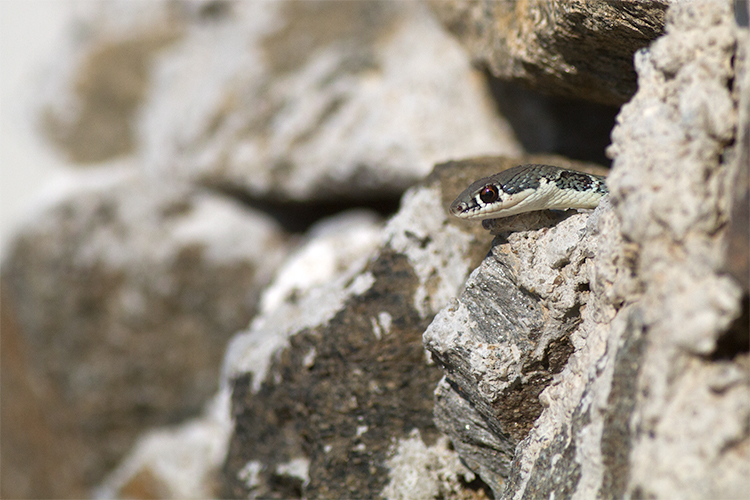
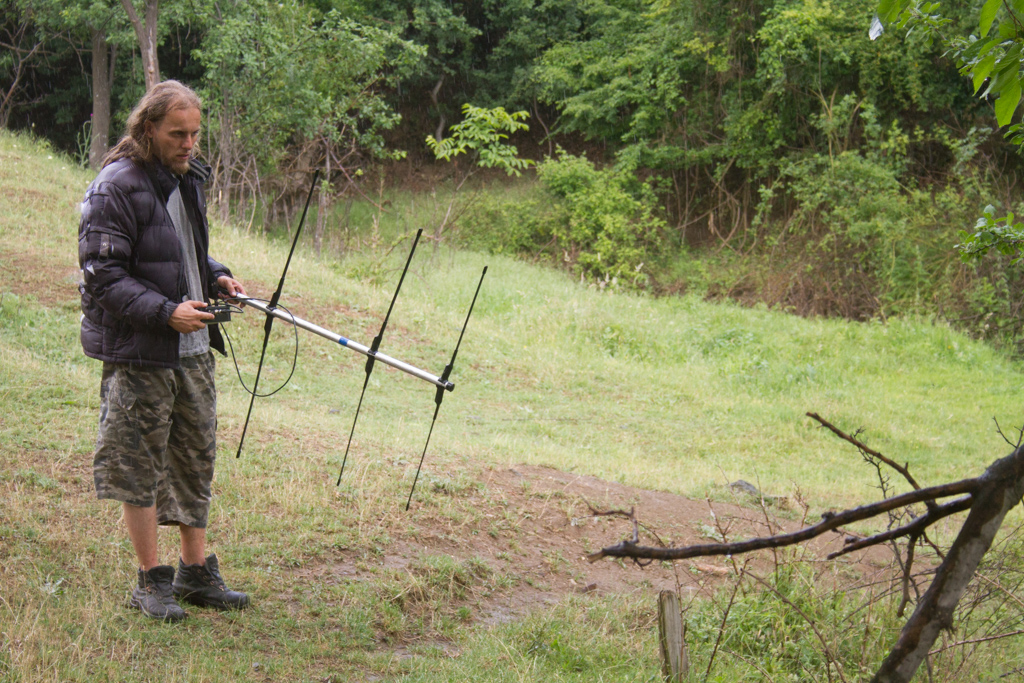
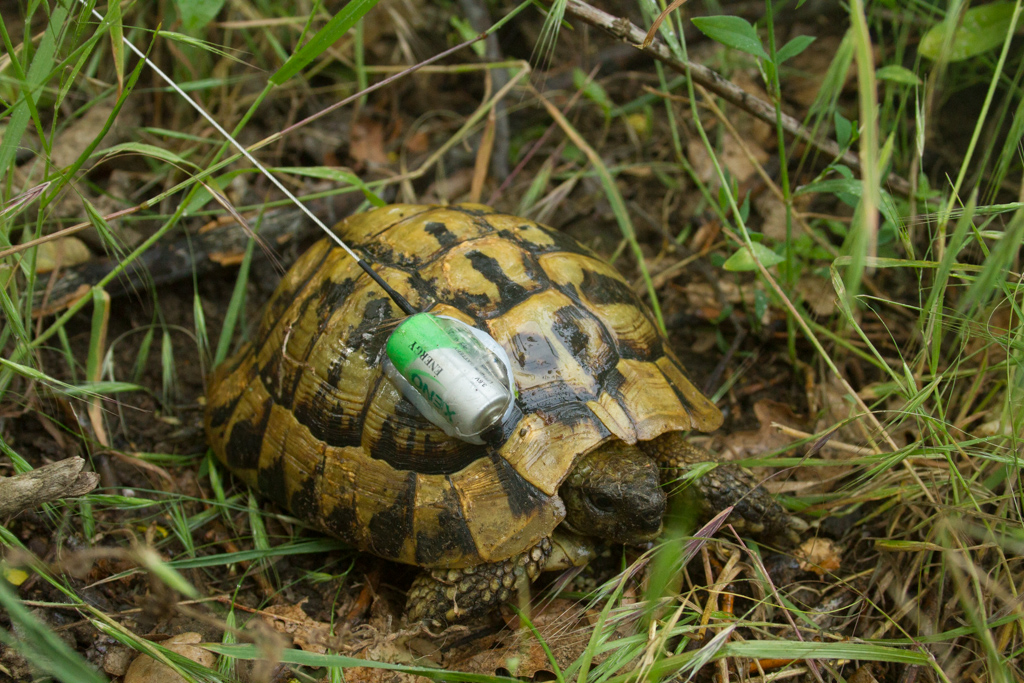
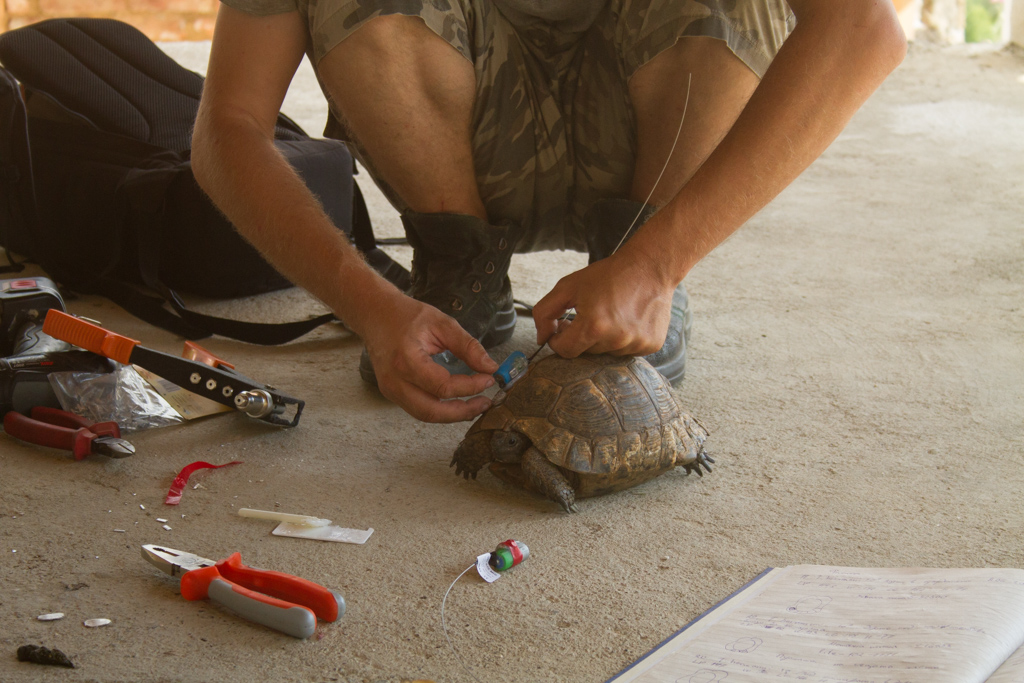
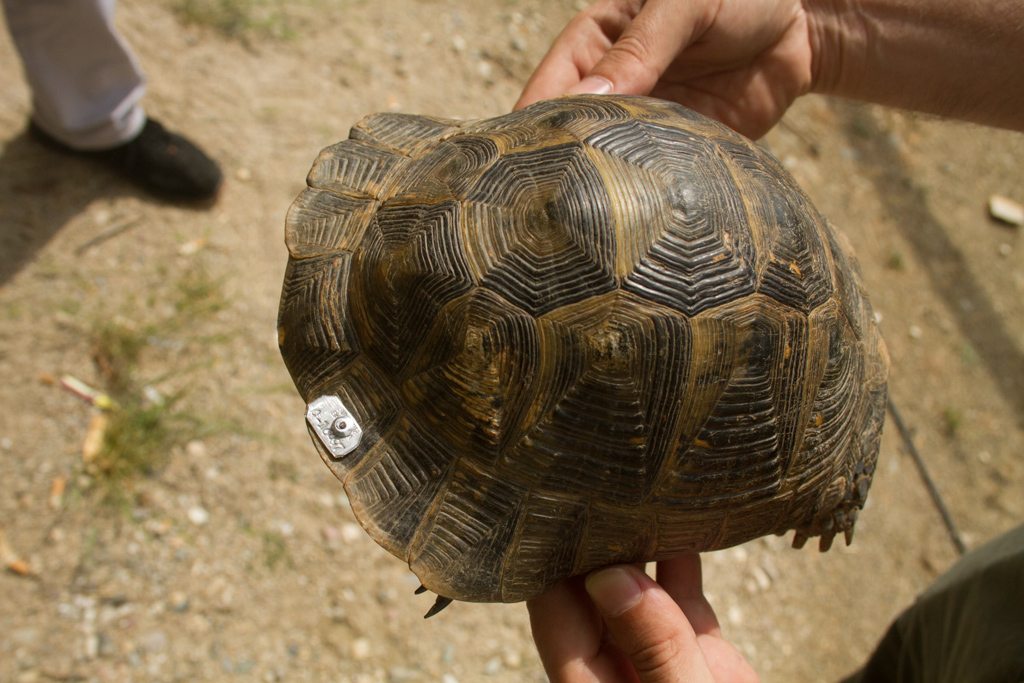
Since the beginning of the project 17 tortoises captured in the area prior to the fencing have been marked. The fence was established later in the season when the tortoises started their hibernation. The marking was provided to observe the seasonal movements of the tortoises in this particular area and to know their exact number. 34 tortoises have been marked outside the fenced area. 3 of them have been tracked by VHF in 2013 and 2014. A new marking method for tortoises has been initiated and tastedq using metal plate with inscription safely attached to the carapax.
Expected results:
A report of the current state of the man/predators conflict in Kresna SPA and Kresna – Ilindentsi pSCI and the poison baits use will be elaborated. Recommendations for future work will be given and the current project impact assessed.
A report for the situation and the trends of the populations of the project target species will be elaborated. Recommendations for future actions for improvement that situation and to decrease any threats will be given. Assessment of the the actions in the current project and their effect over the target species populations will be given.
A report for the conflict between wildlife and power lines and the wind-turbines in Kresna SPA and Kresna – Ilindentsi pSCI will be elaborated giving useful recommendations for future modification and insulation of the facilities.
Achieved results so far:
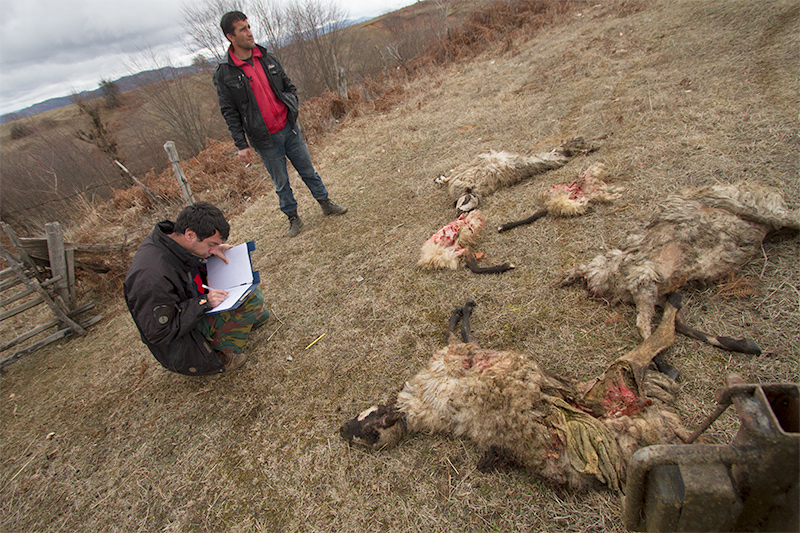
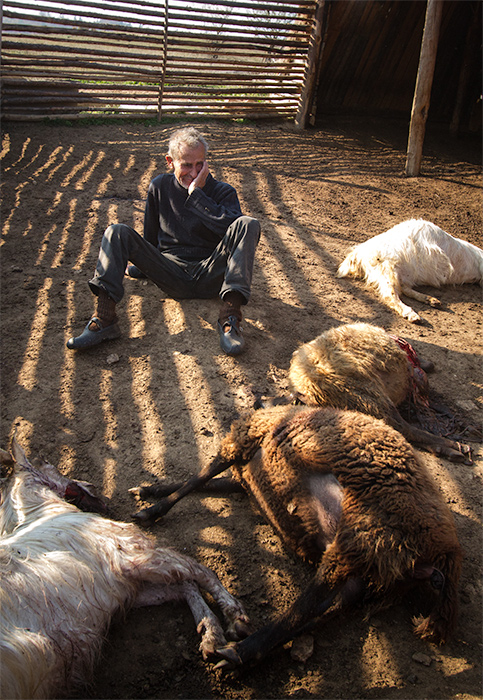
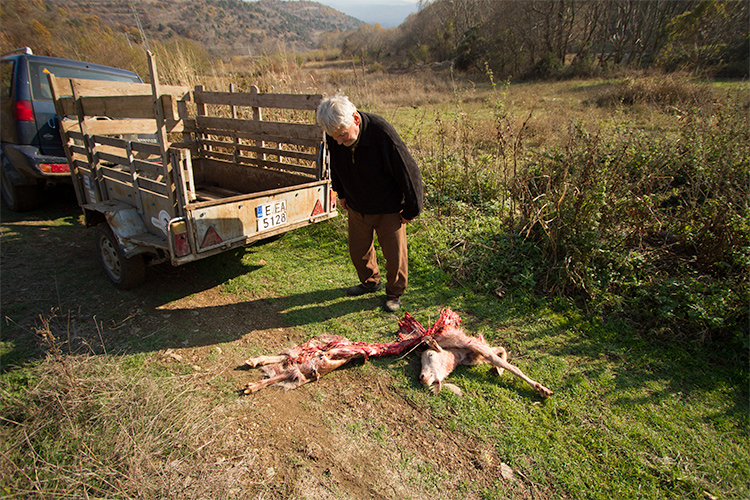
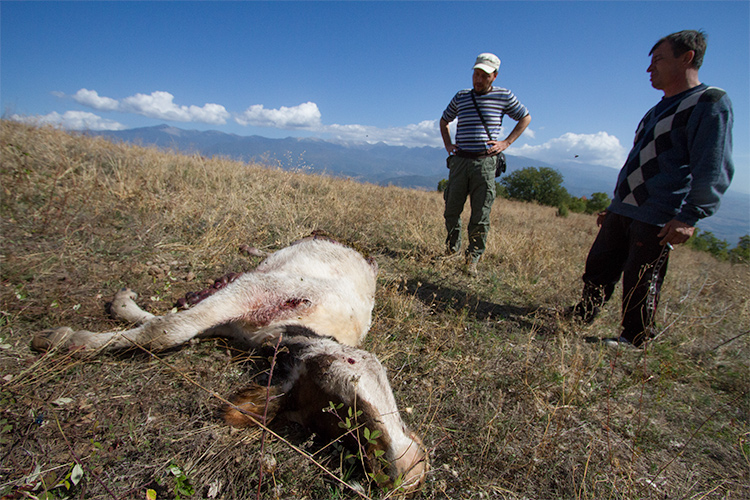
Registration of livestock depredation cases. Each reported case is analyzed. Monitoring is done through the Compensation Program. In the frame of the recent project FWFF had received over 60 signals for depredation. Each case is put on a protocol and the details are well-described supported by lots of photos C4.
The project keeps an actual data base of legally hunting cases over wolves in the region.
The article with a title HOW TO AVOID DEPREDATION ON LIVESTOCK BY WOLF – THEORIES AND TESTS Emilian STOYNOV¹, Atanas GROZDANOV², Stamen STANCHEV¹, Hristo PESHEV¹, Nadia VANGELOVA¹, Danielo PESHEV² is being in press by the Bulgarian Journal of Agricultural Science. Very soon it will be published on FWFF web page.
The article is a work based on 9 years data and over 300 protocols.
About 750 hours of volunteers’ labour ( 4 people) have been spent for two years in the trips of investigation of depredation cases.
The monitoring of the conflict with predators and the depredation aims to locate the most problem areas and to give farmers adequate decisions about how to breed the livestock in order to reduce the victims.
FWFF maintains a detail data base of observations, locations, nesting of the following target species: Griffon vulture, Black vulture, Egyptian vulture, Lanner falcon, Peregrine Falco, Eleonora falcon, Golden eagle, tortoise d’Hermann, Greek tortoise, Black kite, Imperial eagle, Fallow deer, White-tailed eagle, Ravens, Jackdaws, Starlings, Stock dove in the target area .
Here are the official reports of Reintroduction of Griffon Vultures in Kresna Gorge for 2012 and 2013. The reports are being published in FWFF web site and have been sent to over 150 receivers.
In 2013 few scientists from Bulgarian Science Academy and Biology Faculty in Sofia University were contracted by FWFF to carry out of analysis and data collection of the biodiversity (flora and fauna) in the cross-border Maleshevska Mountain in Bulgaria. Mapping actions were being carried out in NATURA 2000 sites (BG0000224 “Ograjden- Maleshevo ” and the connected zones BG0001023 “Rupite- Strumeshnica”, BG 0002098 “Rupite” и BG0002003 „Kresna”), as well as for species listed in Applications 3 and 4 from The Biodiversity Law. snimki
The initiative is a part of the project ’’Promoting and preserving the biodiversity of Maleshevska Mountain’’ MALESH 2007 CB16IPO007- 2011-2-04 financed by IPA Cross-Border Programme, where FWFF is acting as a subcontractor to Business Information and
The report was presented at the discussion forum called “The Maleshevska Mountain- past, presence and future” as a part of the project “PROMOTING AND PRESERVING THE BIODIVERSITY OF MALASHEVSKA MOUNTAIN” on December 13-14, 2013 in Republic of Macedonia.
“Analysis and data collection (flora and fauna) of the cross-border Maleshevska Mountain”
All the obtained data of BG0002003 „Kresna” in the report very much contributes to D2 action of “LIFE for Kresna Gorge” Monitoring of project’s target species populations.
Electric powerlines in Kresna Gorge were mapped and every pole individually marked and photographed. A document containing all the data for each powerline and individual pole is drafted and will be completed.
The Dutch student Denis Maas has spent his 30 days internship working on dangerous electric powerlines in the target area, mapping them and creating of data base.
Since the installment of 48 perch discouragers on eight powerline poles C5 a weekly monitoring checks the impact.
In 2012 a wind energy farm was planned by an investor to be built just next to the feeding site and the aviary of Griffon Vultures in the village of Rakitna. The negative impact of wind turbines on birds ‘populations has threatened the reintroduction of vultures and the objective of the project overall. FWFF did the best to explain the local community and the authorities the contradiction of the both projects on a same area. Fortunately the population of Rakitna village has supported “LIFE for Kresna Gorge” and has demonstrated their civil position to the local government. The project was stopped, although the main reason wasn’t the community statement against it, but the growing problems of green-energy policy in Bulgaria and the reduction of subsidies.
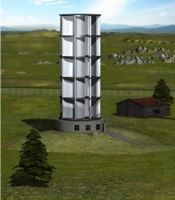
As FWFF don’t aim to confront the green-energy investors in Bulgaria, we have started the promotion of the very new prototype of vertical axis wind turbine, had been created by a Hungarian company. That kind is a bird-friendly wind turbine, very suitable for NATURA 2000 sites and areas of rich biodiversity. The alternative was presented and discussed with the major of Simitli Municipality as demonstration of FWFF willing not to block eco- initiatives and business initiatives in the region. FWFF has contacted the Hungarian company and as soon as the prototype would be presented on the market, FWFF will stress its efforts on promoting and advertise it.